
Have you ever looked in the mirror and wished your nose bridge was just a tiny bit higher, or the tip a little more defined? Honestly, I think many of us have been there! But the thought of going under the knife for a full surgical rhinoplasty can be totally terrifying, right? 😊 That’s exactly where non-surgical nose fillers come to the rescue. And if there is one place in the world that has truly perfected the art of subtle, natural facial enhancements, it’s South Korea.
Why Choose South Korea for Nose Fillers? 🤔
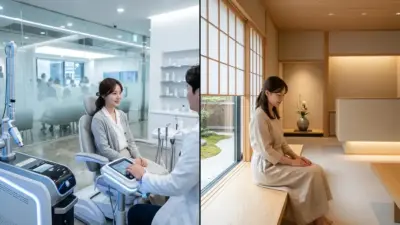
South Korea is globally renowned as the absolute mecca of beauty and aesthetic treatments. When it comes to nose fillers (non-surgical rhinoplasty), Korean dermatologists and plastic surgeons are famous for their \”barely-there but better\” approach. They don’t just inject filler; they meticulously sculpt it to harmonize perfectly with your unique facial proportions.
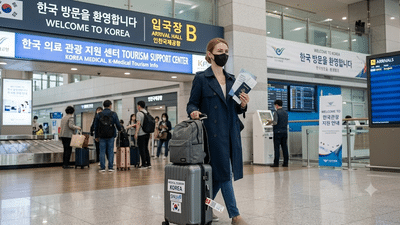
Moreover, the clinics in Seoul (especially in Gangnam) use state-of-the-art techniques and premium products, ensuring both safety and stunning results. It’s really no wonder that thousands of medical tourists flock to Korea every year just for these quick, so-called \”lunchtime tweakments.\”
Korean doctors generally prioritize a smooth, natural-looking bridge and a delicate tip, avoiding the overly sharp or bulky look sometimes seen in extreme Western trends.
The Procedure & Types of Fillers 💉
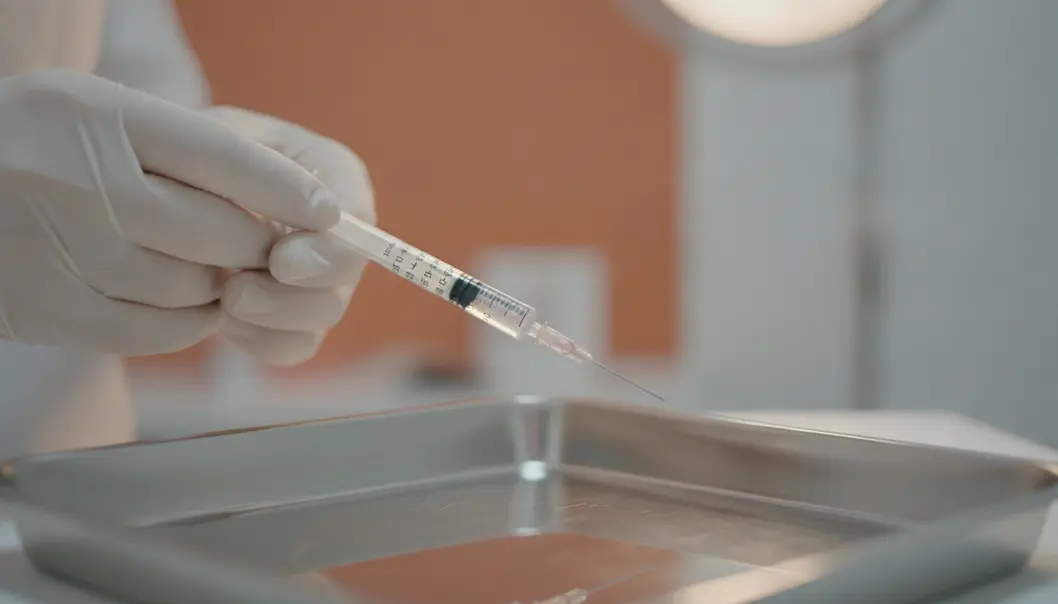
So, how does it actually work? The doctor uses hyaluronic acid (HA) fillers to add volume, smooth out bumps, and lightly lift the tip of the nose. HA is a substance naturally found in our bodies, making it a very safe and fully reversible option. The entire procedure usually takes only 10 to 15 minutes!
In Korea, you’ll have the choice between renowned imported brands and excellent domestic brands. Let’s briefly compare them:
| Filler Type | Popular Brands | Characteristics | Longevity |
|---|---|---|---|
| Imported (Global) | Juvederm, Restylane | High structural support, worldwide reputation. | 12 – 18 months |
| Korean (Domestic) | Yvoire, Neuramis | Excellent quality, highly cost-effective, smooth finish. | 6 – 12 months |
Cost & Budgeting: How Much Does It Cost? 💰
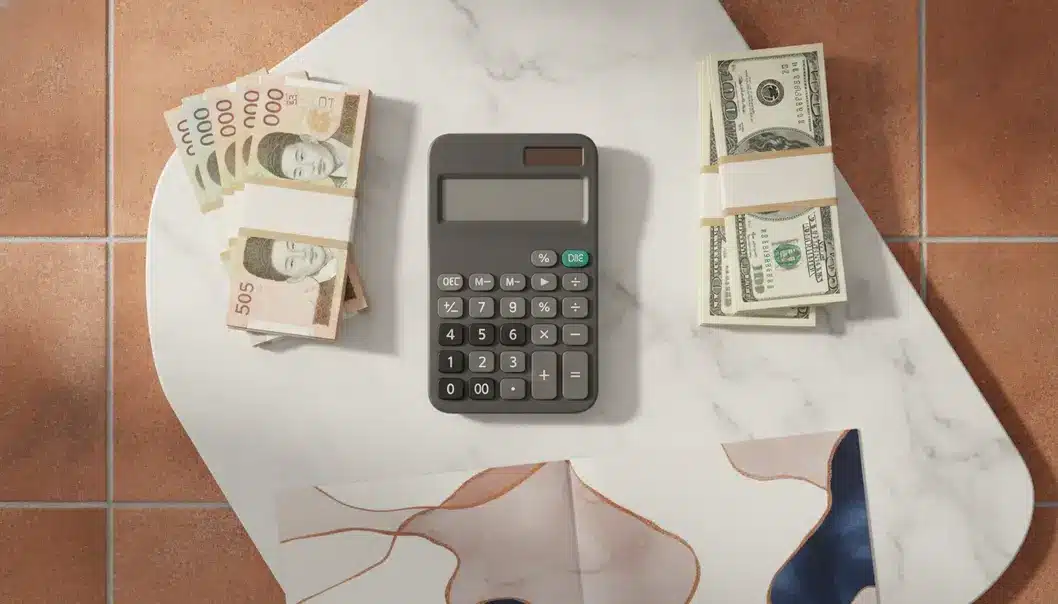
To be honest, one of the biggest reasons people travel to Korea for injectables is the unbeatable price-to-quality ratio. While a nose filler in the US or UK might cost you upwards of $800 to $1,500, Korean clinics offer highly competitive rates for top-tier expertise.
Usually, Korean brand fillers start around $100 to $200 per CC, while imported premium brands like Juvederm might range from $300 to $500 per CC. To give you an idea of what to expect, let’s try out a simple calculator to estimate your budget!
🔢 Nose Filler Cost Estimator (USD)
Estimated Cost (USD): $
Note: Prices vary by clinic and do not include VAT (tax refunds are available for tourists!). Most nose jobs require 1 to 2 CCs.
Before & Aftercare: Things to Keep in Mind ⚠️
While non-surgical rhinoplasty is quick, it still requires proper aftercare to ensure the filler settles perfectly and safely. The nose is a delicate area with complex blood vessels, so finding an experienced, board-certified doctor is absolutely paramount!
- Do NOT wear heavy glasses or sunglasses for at least 1-2 weeks, as they can permanently dent the settling filler.
- Avoid intense exercise, saunas, and alcohol for 3-5 days to minimize bruising and swelling.
- Never press, rub, or massage the nose area where the filler was injected.
I've heard some unfortunate stories about filler migration when people don't follow these simple rules, so please be careful! It can be really bad for those who neglect aftercare. Also, your doctor will likely prescribe you a short course of oral antibiotics to prevent any infection, which is a wonderful standard safety protocol in Korea.
Summary: Everything You Need to Know 📝
To wrap things up beautifully, let's take a look at a quick visual summary of what we've covered today about getting nose fillers in Korea!
Nose Filler Korea Checklist
Frequently Asked Questions ❓
I truly hope this guide clears up some of your questions about getting nose fillers in Korea! It's such an amazing, minimally invasive way to boost your confidence and refine your side profile. Have you ever considered traveling to Seoul for a beauty treatment? Or do you have more questions about the process? Feel free to ask away in the comments below! 😊
Disclaimer: This post is for general informational purposes only. Results vary by individual, and you should always consult with a board-certified professional before undergoing any cosmetic procedure.
📱 Book Accredited Seoul Clinics with Exclusive App Benefits
Compare real verified reviews, English-speaking staff options, and instant tax-refund benefits on Yeoshin Ticket