

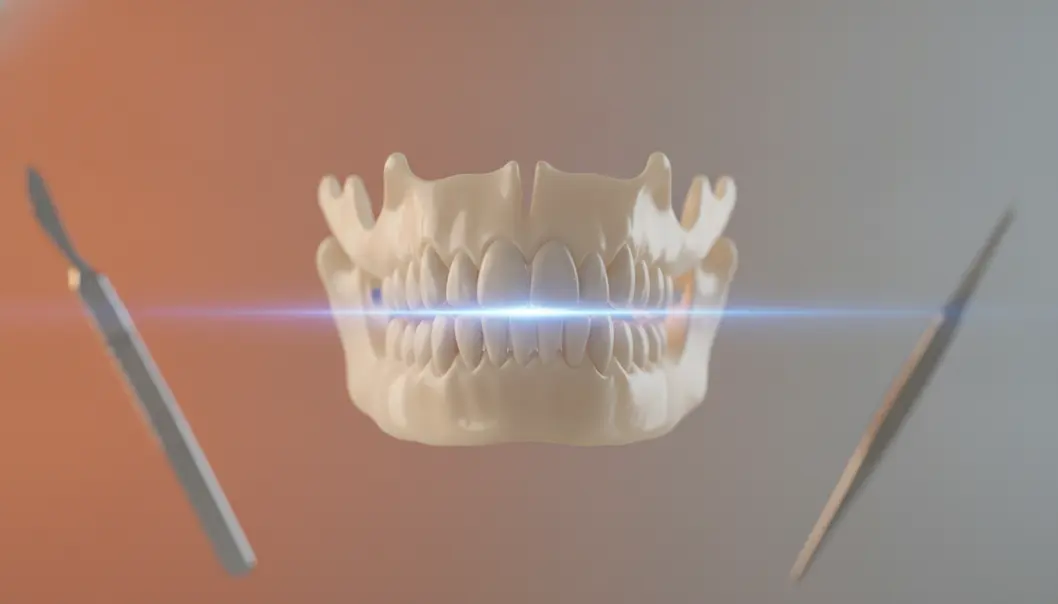
Have you ever struggled with chewing certain foods, or perhaps felt a bit self-conscious about how your upper and lower jaws align? You are definitely not alone! Many people experience discomfort or functional issues due to jaw misalignments. Today, I want to talk about something that sounds a bit intimidating but is actually truly life-changing for many: orthognathic surgery. Let’s break it down together! 😊
What Exactly is Orthognathic Surgery? 🤔
In simple terms, orthognathic surgery (commonly known as jaw surgery) is a specialized procedure performed by an oral and maxillofacial surgeon to correct irregularities of the jaw bones. The word “orthognathic” comes from Greek, where “orthos” means straight and “gnathos” means jaw. So, it literally translates to straightening the jaw!
While it does often improve facial symmetry significantly, the primary goal is highly functional. It helps align the jaws and teeth correctly so they work together perfectly when you bite, chew, and speak.
Orthognathic surgery is usually a collaborative effort! Your orthodontist and your oral surgeon will work as a team, often using braces before and after the surgery to ensure everything lines up perfectly.
Why Might Someone Need It? 📊
You might be wondering, “Do I really need surgery, or can braces just fix it?” Braces are fantastic for moving teeth, but they cannot move the actual structure of the jaw bone. If your upper and lower jaws grow at different rates, surgery might be the most effective long-term option.
| Condition | Description | How Surgery Helps |
|---|---|---|
| Underbite | Lower jaw protrudes forward past the upper teeth | Moves the lower jaw back into proper, healthy alignment |
| Overbite | Upper jaw or teeth severely overlap the lower jaw | Advances the lower jaw or adjusts the upper jaw backwards |
| Open Bite | Noticeable space between front teeth when biting down | Adjusts the bone so the upper and lower teeth can meet |
| Sleep Apnea | Breathing stops temporarily during the night | Opens the airway significantly by moving both jaws forward |

The Procedure and Recovery Journey ⏳
Okay, let’s get right into the nitty-gritty. What does the actual process look like? To be perfectly honest, it is a significant commitment. The entire journey, including orthodontics, can take anywhere from one to three years.
Post-surgery swelling and a temporary restricted liquid diet are completely normal! However, because this is a major surgical procedure, always follow your surgeon’s specific post-operative care instructions carefully. This article is for informational purposes and cannot replace professional medical advice.
A Typical Patient’s Timeline
📝 Example: A Standard Underbite Journey
- Months 1-12: The patient wears braces to align their teeth perfectly over the bone. It might actually look slightly worse before it gets better!
- Surgery Day: The procedure typically takes about 2 to 4 hours under general anesthesia. The incisions are usually all inside the mouth, so there are no visible facial scars!
- Weeks 1-6 Post-Op: A strict liquid and soft-food diet is required. The swelling peaks around day 3 and slowly subsides over the next few weeks.
- Month 6+: The orthodontist makes final, fine-tuned adjustments to the braces, and the patient finally gets them removed!
🔢 Recovery Milestone Estimator
Curious about when you can enjoy solid food again? Enter your estimated surgery date below to see your potential recovery milestones!

Conclusion: Key Takeaways 📝
Orthognathic surgery is undeniably a major process that requires dedication, but the incredible improvements in daily functioning—like breathing, chewing, and speaking clearly—are truly remarkable. Let’s quickly wrap up what we’ve learned today!
Orthognathic Surgery Summary
Frequently Asked Questions ❓
I hope this guide has successfully demystified orthognathic surgery for you! It’s undoubtedly a big step, but the long-term benefits for your overall health, comfort, and confidence can be truly life-changing. If you are seriously considering this journey, consult with a qualified oral surgeon to thoroughly explore your options.
If you have any more questions or want to share your own surgical experience, please feel free to leave a comment down below! Stay healthy and keep smiling! 😊