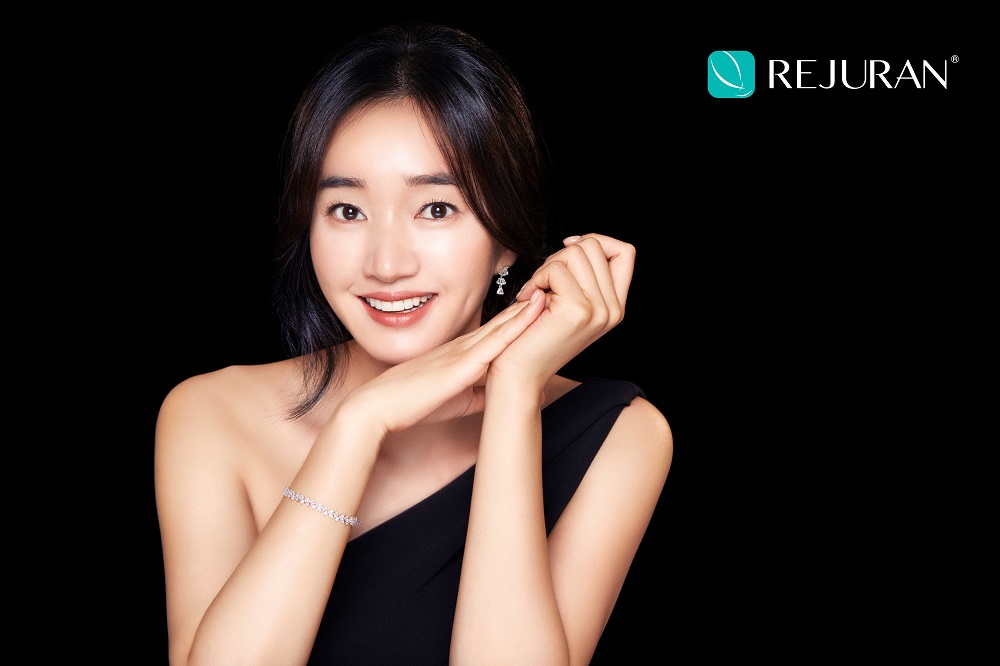
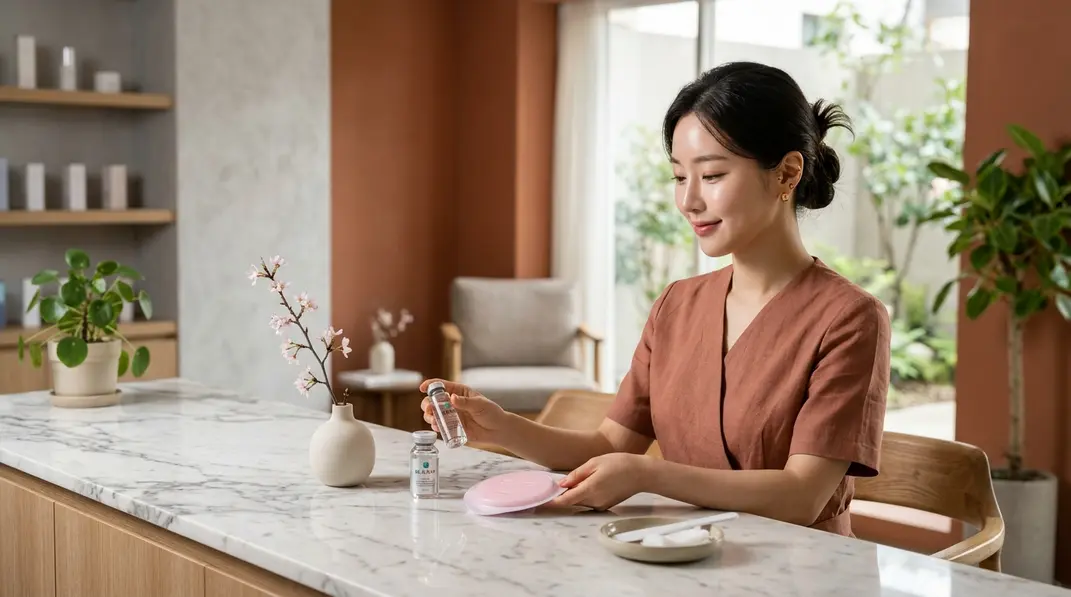
Have you ever watched a K-drama and found yourself completely distracted by the lead actress’s unbelievably dewy, poreless skin? To be honest, I definitely have! I remember pausing my screen just to admire how their skin literally catches the light. 😊 If you’re wondering what their secret is, let me introduce you to one of the most highly sought-after treatments in South Korea right now: Rejuran Healer.
Over the past few years, Rejuran has exploded in popularity, not just among locals but also medical tourists flocking to Seoul. It is often hailed as the holy grail of anti-aging and skin rejuvenation. But what exactly is it, and is it worth the hype (and the pain)? Let’s dive in!
What Exactly is Rejuran Healer? 🤔
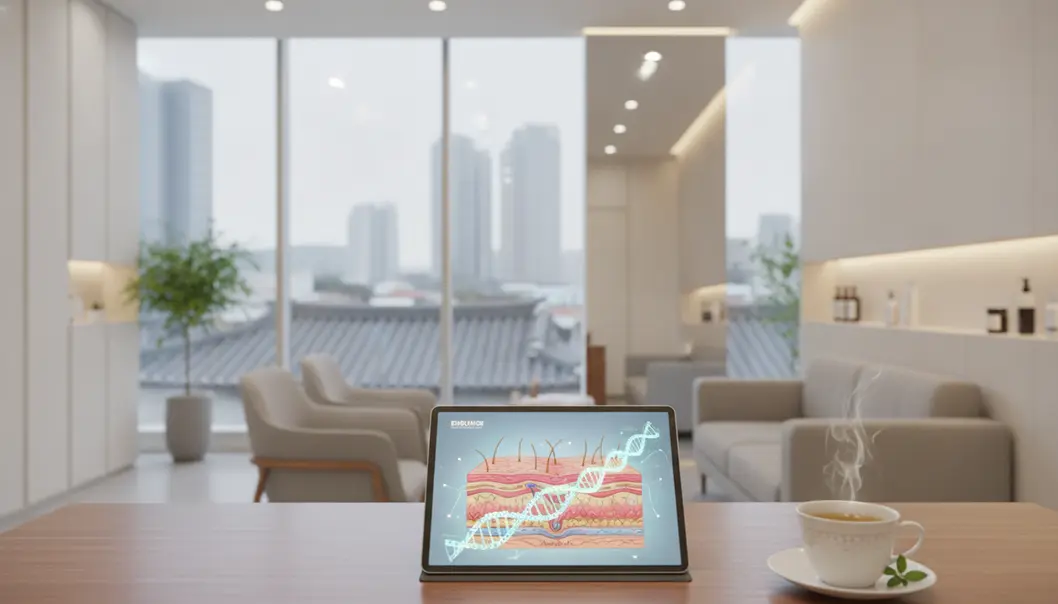
At its core, Rejuran Healer is a skin booster. But unlike traditional dermal fillers that use hyaluronic acid to plump up the skin temporarily, Rejuran works on a cellular level to actually repair and regenerate your skin. It is made of Polynucleotides (PN).
These Polynucleotides are extracted from wild salmon DNA. Why salmon? Because salmon DNA is incredibly similar to human DNA (over 95% match!), making it highly biocompatible and very safe for human tissue regeneration.
When injected into the dermis (the inner layer of your skin), it stimulates collagen production, improves skin elasticity, reduces fine lines, and helps heal damaged skin barriers. It’s essentially bio-hacking your skin to act younger and healthier.
The 4 Main Types of Rejuran 🧬
If you walk into a clinic in Gangnam, you might be surprised to see a menu of different Rejuran options. Choosing the right one depends on your specific skin concerns and your pain tolerance. Here is a quick breakdown to help you understand!
| Type | Best For | Characteristics |
|---|---|---|
| Rejuran Healer (Classic) | Overall face, anti-aging, hydration | The original formula. Highly effective but known to be quite painful. |
| Rejuran HB Plus | Pain-sensitive patients | Contains Lidocaine (numbing) and Hyaluronic Acid. Less pain, extra glow! |
| Rejuran I (Eye) | Under-eye area, dark circles, crow’s feet | Thinner viscosity to safely treat the delicate skin around the eyes. |
| Rejuran S (Scar) | Acne scars, deep pores | Thicker viscosity designed to plump up and heal depressed acne scars. |
I personally recommend starting with Rejuran HB if it’s your first time, as the classic Healer is notoriously spicy on the pain scale! 😅
The Procedure: Cost, Pain, and Downtime 💸
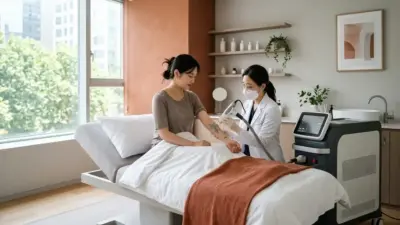
So, you’ve decided to take the plunge. What actually happens at the clinic? First, let’s talk about the elephant in the room: the pain. Because Rejuran is highly viscous, pushing it into the dermis hurts. Most clinics will apply a thick layer of numbing cream for 30-40 minutes beforehand. Some premium clinics even offer laughing gas (nitrous oxide) or sleep anesthesia.
Right after the injections, your face will have tiny raised bumps everywhere, looking a bit like bubble wrap or mosquito bites. This is completely normal! It’s called ’embossing’ and shows the product was injected into the correct skin layer. It usually goes down within 24-48 hours.
Now, let’s look at the costs. Getting Rejuran in Seoul is significantly cheaper than in the US, Singapore, or Australia. I’ve created a simple interactive calculator below so you can estimate your budget before you fly over!
🔢 Rejuran Cost Estimator (Korea)
*Prices are estimates based on average clinics in Gangnam. Tax refunds can usually save you an additional 7-10%!
📝 Summary & Final Thoughts
✨ Rejuran Cheat Sheet
FAQ ❓
If you are heading to Korea soon and considering Rejuran, I hope this guide helps you feel more prepared! Remember, this information is just a general guide, and it’s always best to consult directly with a certified dermatologist to see what fits your skin best. If you have any more questions about navigating Korean skin clinics, drop a comment below! 😊