
Have you ever looked in the mirror and wished those stubborn dark spots or that faded tattoo would just magically disappear? Honestly, I completely understand the feeling. Dealing with pigmentation or unwanted ink can be incredibly frustrating. 😊 But thankfully, dermatological technology has come a long way, and today I want to talk about a true powerhouse in skin clearing: the Tri-Beam laser.
Understanding the Tri-Beam Laser Technology 🤔
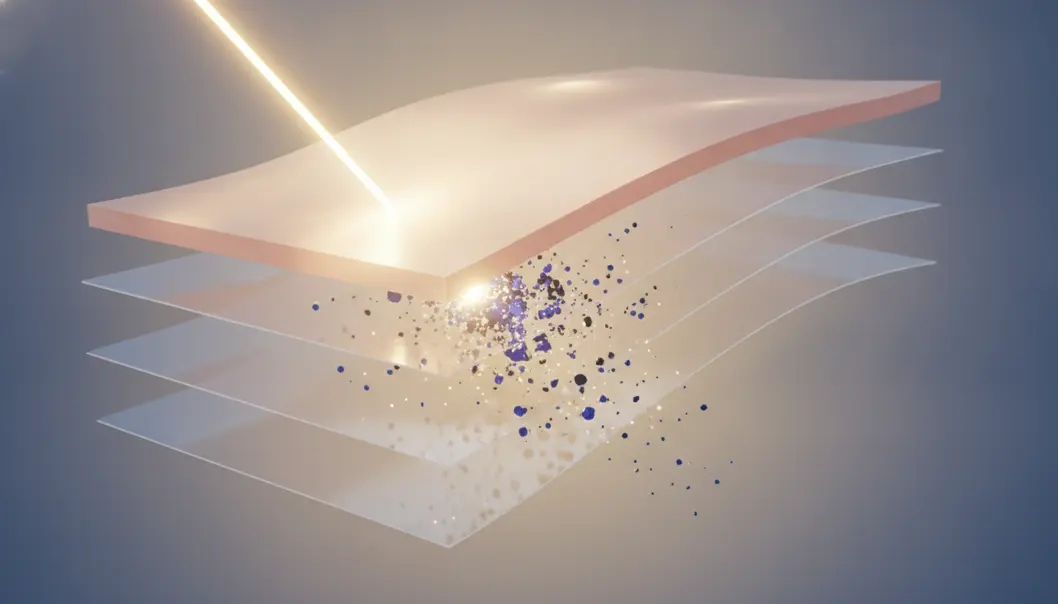
In simple terms, the Tri-Beam is an advanced Q-Switched Nd:YAG laser. I know that sounds like a complicated sci-fi term, but it basically means it uses highly concentrated beams of light in very short pulses to target pigment in your skin without damaging the surrounding, healthy tissue.
The system utilizes two specific wavelengths of light—1064nm and 532nm. The 1064nm wavelength penetrates deep into the dermis to tackle deep-rooted melasma and dark tattoo inks (like black and blue), while the 532nm wavelength stays closer to the surface to treat freckles, sun spots, and lighter pigments.
“Q-Switched” refers to the laser’s ability to deliver energy in nanoseconds (billionths of a second). This rapid pulse effectively shatters the pigment into microscopic particles, which your body’s immune system then naturally flushes away over time!

Why Choose the Tri-Beam Laser? 🌟
What makes the Tri-Beam stand out from other lasers at the dermatologist’s office? I think one of its most remarkable features is the “Rich PTP” (Photoacoustic Twin Pulse) toning mode. Instead of blasting the skin with one harsh pulse of energy, it delivers two rapid, gentler pulses.
This twin-pulse method makes the treatment much more comfortable and significantly reduces the risk of side effects like hypopigmentation (unwanted white spots). Let’s look at a quick comparison to see how it stacks up against other common treatments.
| Laser Type | Best For | Typical Downtime |
|---|---|---|
| Tri-Beam (Nd:YAG) | Melasma, Deep Pigmentation, Tattoos | Minimal to None (slight redness) |
| IPL (Intense Pulsed Light) | Surface redness, light sun damage | Minimal |
| CO2 Fractional Laser | Deep acne scars, severe wrinkles | 5-7 Days (peeling, scabbing) |
As you can see, if you are targeting pigment or tattoos without wanting to hide in your house for a week, Tri-Beam is a fantastic option. It allows you to return to your daily life almost immediately.
After any laser treatment, your skin becomes highly sensitive to UV rays. Failing to apply broad-spectrum sunscreen meticulously can cause the pigmentation to return—sometimes even darker than before!
What to Expect: The Procedure and Aftercare 👩⚕️
Going in for your first laser session can feel a bit nerve-wracking, but I’m here to tell you it’s generally very straightforward and well-tolerated by most people.
📝 A Typical Session Step-by-Step
- Consultation: The doctor examines your skin to determine the right wavelength and energy level.
- Preparation: The skin is cleansed. For toning, numbing cream usually isn’t needed, but for tattoo removal, it is highly recommended!
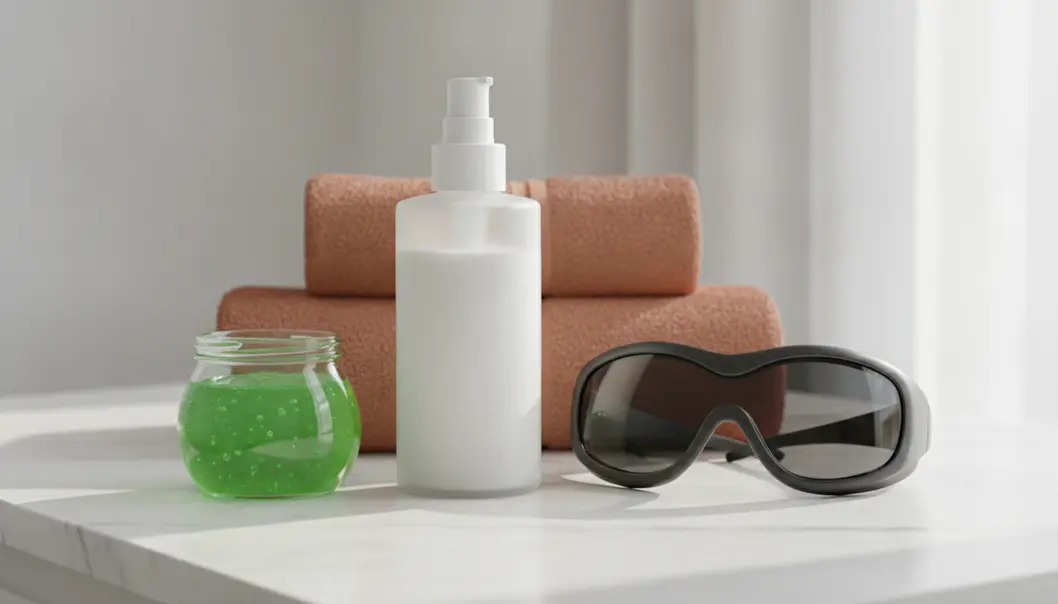
- The Treatment: You’ll wear protective goggles. The laser feels like tiny, warm rubber bands snapping lightly against the skin.
- Cooling: A soothing cooling mask or aloe gel is applied to calm any mild redness.
🔢 Treatment Session Estimator
Wondering how many sessions you might need? Try this simple estimator (Note: Always consult a professional for a true medical assessment).
Tri-Beam Laser Summary
FAQ ❓
📝 Final Thoughts
Clearing up your skin or removing an old tattoo doesn’t have to be a daunting experience. The Tri-Beam laser offers a reliable, scientifically-backed method to help you achieve the clear canvas you desire. I think the most important takeaway is to be patient—pigment wasn’t created overnight, and it won’t disappear overnight either.
Remember, while this guide provides a great overview, everyone’s skin is uniquely different. Always consult with a qualified dermatologist to see if Tri-Beam is the right path for your specific needs. If you have any questions about laser treatments or want to share your own experiences, please leave a comment below! 😊