
Have you ever woken up so sore after a workout that even getting out of bed felt like a monumental task? Or maybe you’ve been dealing with nagging joint pain that just won’t quit. I’ve definitely been there! Recently, I kept hearing my friends and favorite athletes rave about stepping into a freezing chamber to magically erase their aches. To be honest, the thought of standing in sub-zero temperatures sounded terrifying at first. But my curiosity got the better of me, and I decided to dive deep into the icy world of cryotherapy. 😊
What Exactly is Cryotherapy? 🤔
At its core, cryotherapy simply means “cold therapy.” It involves exposing your body, or specific parts of it, to extremely cold temperatures for a short period of time—usually just a few minutes. While the modern, high-tech cryo chambers you see on social media are relatively new, using cold temperatures for healing actually dates back centuries.
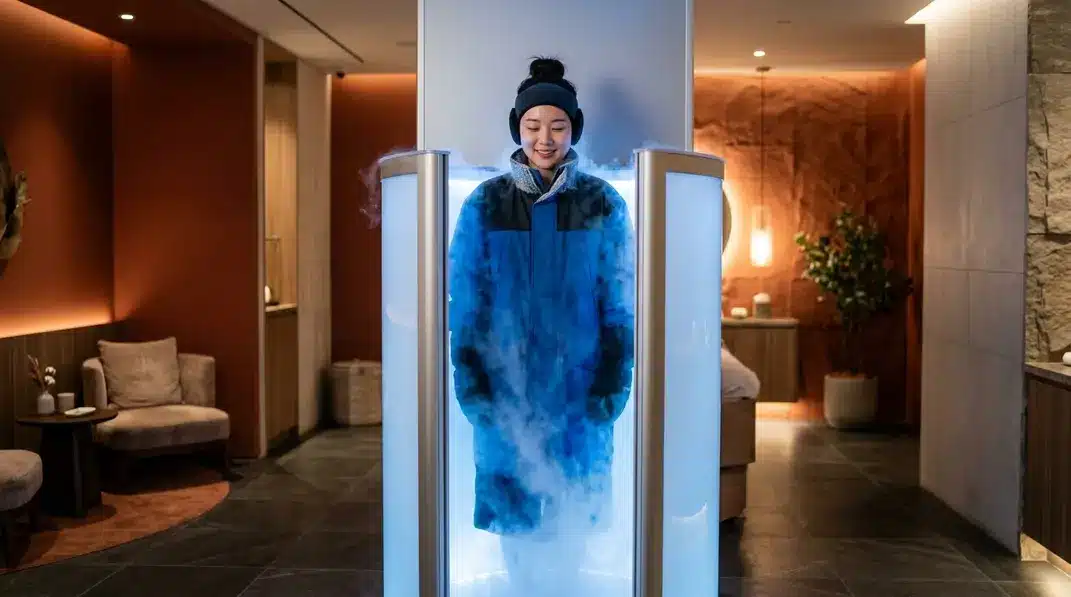
In a typical Whole Body Cryotherapy (WBC) session, you step into an enclosed chamber that uses liquid nitrogen or refrigerated cold air to drop the temperature to a staggering -200°F to -300°F (-128°C to -184°C). I know, it sounds totally crazy! But because the air is completely dry, it’s actually much more tolerable than jumping into an ice bath.
Cryotherapy isn’t just for athletes. It was originally developed in Japan in the late 1970s by Dr. Toshima Yamaguchi to treat patients with rheumatoid arthritis.
How Does the Big Freeze Work? ❄️
So, what happens to our bodies when we step into that freezing mist? It’s all about our natural survival mechanisms. When your skin is exposed to such extreme cold, your brain gets a signal that you’re freezing. To protect your vital organs, your body immediately pulls blood away from your extremities and pushes it toward your core.
This process is called vasoconstriction. During this time, the blood circulating in your core becomes highly oxygenated and enriched with anti-inflammatory proteins and nutrients. Once you step out of the cold, your body warms up rapidly, causing vasodilation—where that freshly oxygenated, nutrient-rich blood rushes back out to your muscles, joints, and skin. It’s like hitting the reset button on your circulatory system!
The Cool Benefits of Cryotherapy 📊
You might be wondering, “Is freezing myself for three minutes really worth it?” According to many users and preliminary studies, the answer is a resounding yes. Let’s break down some of the most widely reported benefits.
- Muscle Recovery and Pain Relief: This is the big one. The rush of nutrient-dense blood helps flush out toxins like lactic acid, drastically reducing muscle soreness (DOMS) after an intense workout.
- Reduced Inflammation: The cold triggers anti-inflammatory responses in the body, which can be a game-changer for people dealing with chronic joint pain or arthritis.
- Skin Rejuvenation: Cryotherapy can boost collagen production, leading to tighter, more youthful-looking skin. Localized “cryo facials” are incredibly popular for this reason!
- Mood and Energy Boost: The extreme cold causes your brain to release endorphins and adrenaline. Many people (including myself!) report feeling an incredible rush of energy and a lifted mood immediately after a session.
Comparing Cold Therapies
| Therapy Type | How It Works | Best For |
|---|---|---|
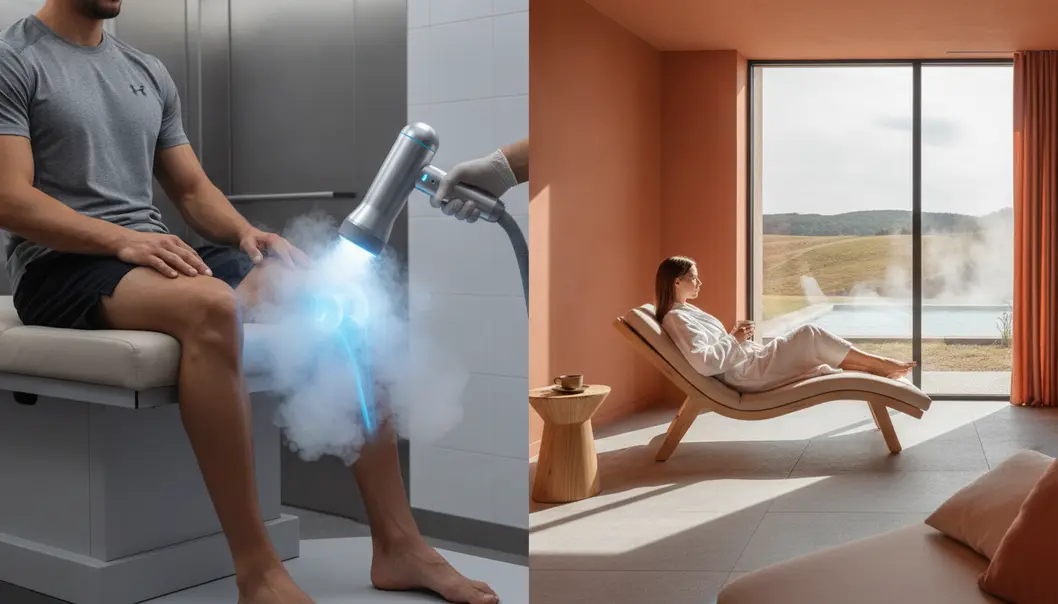
| Whole Body Cryotherapy (WBC) | Exposes the entire body to sub-zero dry air for 2-3 minutes. | Systemic inflammation, full-body recovery, energy boost. |
| Localized Cryotherapy | Uses a wand to apply extreme cold to a specific area (e.g., a sore knee). | Targeted pain relief, acute injury recovery, skincare (facials). |
| Traditional Ice Baths | Submerging the body in ice-cold water for 10-15 minutes. | Deep muscle cooling, endurance athletes, mental resilience. |
While generally safe for healthy individuals, cryotherapy isn’t for everyone. Pregnant women, people with severe hypertension, heart conditions, or cold-allergy conditions (like Raynaud’s disease) should strictly avoid it. Always consult with your doctor before trying a new therapy!
Experiencing the Chill: What to Expect 🧮
If you’re ready to take the plunge, it helps to know what a typical session looks like. The idea of extreme cold can be daunting, but the process is surprisingly quick and straightforward.
📝 A Typical 3-Minute Session
- Prep: You’ll be provided with protective gear for your extremities: dry socks, slippers, and gloves. You’ll enter the chamber in your undergarments (no metal jewelry!).
- The Freeze: As the cold air surrounds you, your skin temperature drops rapidly. The technician will talk to you the whole time to keep your mind occupied.
- The Warm-Up: Once the 3 minutes are up, you’ll step out. Your skin will tingle, and you might do some light cardio (like jumping jacks) to help your blood flow return to normal.
Cryo chambers use temperatures that we rarely experience in nature. Curious about how those crazy Fahrenheit numbers translate to Celsius? Try out this quick calculator!
🔢 Cryo Temperature Converter
📝 Summary
Let’s wrap up everything we’ve covered about the magic of freezing therapies!
Cryotherapy Quick Guide
FAQ ❓
To be honest, while stepping into a freezing chamber sounded crazy to me at first, the energy boost and relief I felt afterwards totally changed my mind. If you’re struggling with soreness or just want to try the latest in wellness tech, it might be worth the 3 minutes of chill! Have you ever tried cryotherapy, or would you consider it? Let me know in the comments below! 😊