
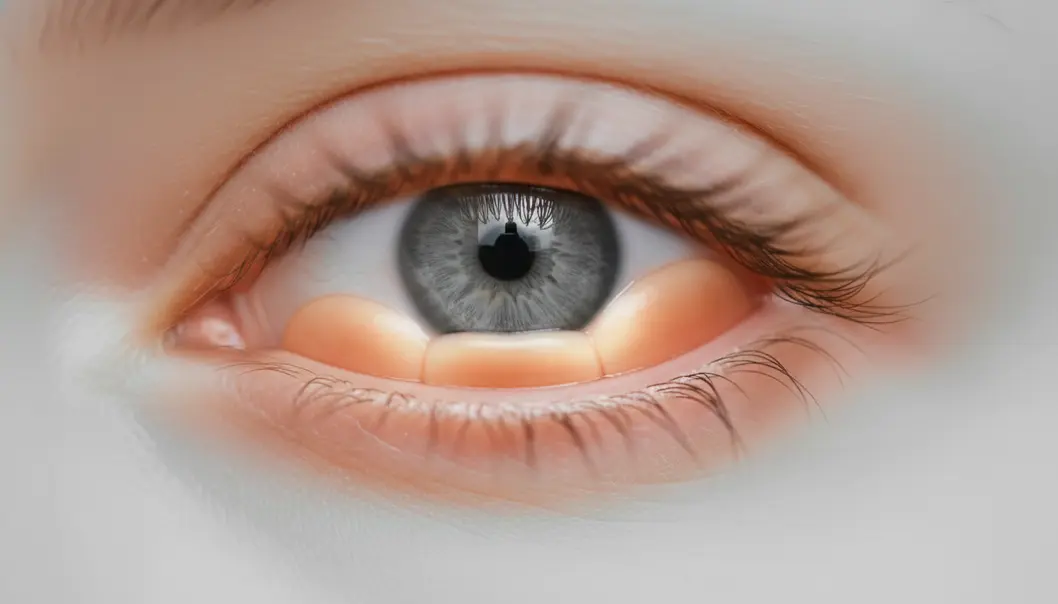
Have you ever had a full eight hours of rest, only to have a well-meaning friend ask, “Are you feeling okay? You look really tired!”? 😩 To be honest, I’ve been there, and it can be incredibly frustrating. As we age, or sometimes just due to our genetics, the fat pads under our eyes can bulge forward, creating dark shadows and heavy bags that no amount of luxury concealer can truly hide. It can be totally annoying and really affect your confidence when you look in the mirror.
Today, I want to talk about a highly effective solution that thousands of people are turning to every year: under-eye fat removal. Often associated with a procedure called lower blepharoplasty, it is one of the most transformative yet subtle cosmetic surgeries available. Let’s dive in and see what it actually is, and if it might be the right choice for you! 😊
What Exactly Is Under-Eye Fat Removal? 🤔
Under-eye fat removal is a cosmetic surgery specifically designed to reduce the puffiness and “bags” under the eyes. Scientifically known in the medical world as a lower blepharoplasty, this procedure targets the orbital fat that surrounds and cushions the eye. According to recent data from the American Society of Plastic Surgeons (ASPS), eyelid surgeries consistently remain one of the top five cosmetic surgical procedures performed worldwide, largely due to their high satisfaction rate.
As we get older, the structural tissues and muscles supporting our eyelids naturally begin to weaken. The skin may start to sag, and the fat that is normally confined to the orbit (the bony area around the eye) can herniate or move forward into the lower eyelids. This creates that prominent, “baggy” appearance that casts a shadow and mimics the look of dark circles.
Did you know? Modern surgeons often don’t just remove the fat; they reposition it! Simply removing the fat can sometimes lead to a hollow, sunken look as you age further. By repositioning the fat, the surgeon spreads it evenly into the “tear trough” area, creating a much smoother, more youthful transition from the lower eye down to the cheek.
Why Do We Get These Bags? 📊
You might be wondering why some people develop severe bags in their early 30s, while others remain incredibly smooth well into their 50s. It’s a common question, and understanding the root cause is essential before considering surgery. Let’s break down the main culprits in a simple way.
| Primary Cause | Detailed Description | Impact on Eyes |
|---|---|---|
| Natural Aging | Gradual loss of skin collagen and weakening of the orbital septum (the membrane holding the fat back). | Causes fat to herniate forward, creating visible bags. |
| Genetics & Heredity | Inherited anatomical predispositions regarding facial bone structure and fat distribution. | Often the reason younger individuals (20s-30s) develop bags. |
| Lifestyle Factors | Chronic lack of sleep, smoking, allergies, and high dietary sodium intake. | Exacerbates fluid retention, making structural bags look significantly worse. |
While lifestyle changes (like drinking more water and getting enough sleep) can absolutely help reduce temporary fluid retention, they cannot physically “fix” structural fat bulging. Once the fat has herniated, surgical intervention is usually the only definitive way to correct the contour.

The Procedure & What to Expect 🩺
When I first looked into this procedure, I was pretty nervous. The idea of having a surgical tool anywhere near the eye sounds terrifying, doesn’t it? But taking the time to understand the clinical process really helped calm my nerves, and I think it will help yours, too.
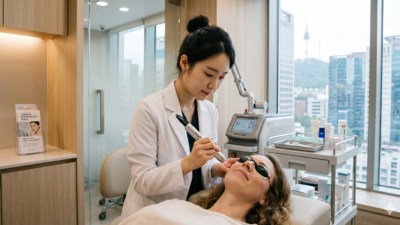
Here is a general, step-by-step breakdown of how a typical under-eye fat removal or repositioning procedure is performed by professionals:
- Anesthesia Administration: The procedure is usually performed under local anesthesia with light sedation, or sometimes general anesthesia, depending on your surgeon’s recommendation and your comfort level.
- Making the Incision: A precise incision is made either inside the lower eyelid (known as a transconjunctival approach, which famously leaves no visible external scar!) or directly below the lower lash line.
- Fat Manipulation: The surgeon carefully accesses the fat pads. Depending on your facial structure, they will either cleanly excise the excess fat or reposition it down into the hollows of your tear troughs.
- Closing Up: The tiny incisions are meticulously closed with dissolvable sutures or surgical glue.
As with any surgery, there are genuine risks involved. You might experience temporary swelling, bruising, dry eyes, or minor sensitivity to light. It is absolutely crucial to consult with a board-certified plastic surgeon to ensure you are a good candidate and to minimize the risk of rare complications, such as ectropion (outward turning of the eyelid).
Let’s Estimate the Costs 🧮
Let’s talk numbers! Costs can vary wildly depending on your geographic location, the surgeon’s level of expertise, and whether you are combining the fat removal with other procedures (like a skin pinch or laser skin resurfacing). To help you out, I’ve created a simple interactive calculator to give you a rough baseline estimate.
🔢 Surgery Cost Estimator
📝 A Real-Life Example: Jane’s Journey
Consider Jane, a 42-year-old marketing director. Despite living a healthy lifestyle, she constantly received comments about looking exhausted. After consultation, she opted for a transconjunctival fat repositioning.
- Surgery Duration: Approximately 1.5 hours
- Downtime: Returned to work (with light makeup) in 7 days
- Final Result: A beautifully smooth transition from her lower lid to her cheek, making her look refreshed without looking “overdone” or “fake.”
Jane noted that the post-op bruising was surprisingly minimal, though she felt a sensation of tightness for the first few weeks. Her experience really highlights how effective a tailored, conservative approach can be!

Recovery Timeline & Summary ⏳
To be completely honest, the recovery is usually a lot faster and less painful than most people anticipate. Most patients experience peak swelling around day 2 or day 3, which then gradually subsides over the following week or two. Using cold compresses diligently in the first 48 hours is an absolute lifesaver!
Key Takeaways
Frequently Asked Questions ❓
To conclude, addressing under-eye bags can be an incredibly freeing experience. Just imagine not having to spend 20 minutes baking concealer and color-correcting every single morning! I think it’s definitely worth exploring if it’s something that genuinely bothers you and affects your day-to-day confidence.
What do you think? Would you ever consider this procedure, or do you have any other burning questions about cosmetic eye treatments? Feel free to ask me in the comments below—I’d love to chat! 😊