

Have you ever looked in the mirror after a full eight hours of sleep, only to see tired, heavy eyes staring back at you? I’ve been there, and it can be incredibly frustrating. No matter how much eye cream we use or how much we rest, sometimes the skin around our eyes just loses its elasticity. It’s totally normal, but it doesn’t mean we have to settle for looking exhausted all the time! 😊
Today, I want to talk about a topic that so many of my friends and readers ask me about: blepharoplasty, commonly known as eyelid surgery. Whether it’s the upper eyelids feeling heavy or those pesky under-eye bags that refuse to budge, this procedure has become a game-changer for many. Let’s break down everything you need to know about upper and lower blepharoplasty, without all the confusing medical jargon.
What Exactly is Blepharoplasty? 🤔
To put it simply, blepharoplasty is a surgical procedure designed to improve the appearance of the eyelids. But it’s not just about aesthetics! As we age, the skin stretches, muscles weaken, and fat pockets can bulge. This happens to both the upper and lower eyelids, and sometimes, sagging upper eyelid skin can actually impair your peripheral vision.
There are two main types: Upper Blepharoplasty and Lower Blepharoplasty. Some people choose to do one, while others opt to have both done simultaneously for a complete refresh.
People often confuse upper blepharoplasty with ptosis repair. While blepharoplasty removes excess skin and fat, ptosis repair actually tightens the muscle that lifts the eyelid. If your eyelid margin itself covers your pupil, you might need ptosis surgery instead—or both!
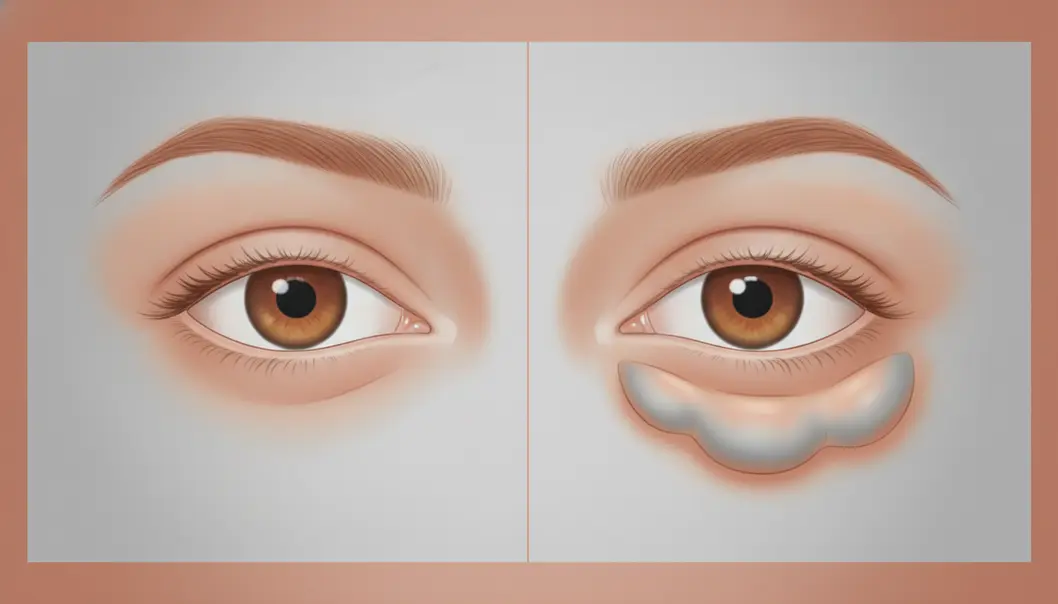
Upper vs. Lower: Understanding the Differences 📊
Let’s dive a bit deeper into what each procedure actually entails. I think knowing the specifics really helps alleviate that pre-surgery anxiety.
Upper Blepharoplasty
For the upper eyelids, the surgeon typically makes a small incision hidden right in the natural crease of your eye. Through this tiny opening, they remove excess skin, muscle, and sometimes fat. Because the incision is in the crease, the scar is practically invisible once healed. It’s truly amazing how removing just a tiny bit of tissue can make your eyes look so much brighter and more awake!
Lower Blepharoplasty
Now, for the lower lids, things are slightly different. This surgery usually targets under-eye bags and wrinkles. Surgeons generally use one of two approaches: an incision just below the eyelash line (subciliary) or an incision on the inside of the lower eyelid (transconjunctival). Through these, they remove or reposition fat to smooth out the hollows. Fat repositioning is highly recommended nowadays because simply removing fat can sometimes leave the under-eye looking too hollow.
| Feature | Upper Blepharoplasty | Lower Blepharoplasty |
|---|---|---|
| Primary Goal | Remove hooding, heavy skin, improve vision | Remove under-eye bags, smooth wrinkles/hollows |
| Incision Location | Natural eyelid crease | Inside lid (transconjunctival) or below lashes |
| Recovery Time | 7-10 days for initial swelling | 10-14 days (bruising is more common) |
While generally safe, complications can occur. Dry eyes are a common temporary side effect. In rare cases, especially with lower lid surgery, the eyelid might pull downwards (ectropion). Always choose a board-certified plastic surgeon or oculoplastic surgeon to minimize these risks!
Recovery & Downtime Estimator 🧮
One of the biggest questions I get is, “How long will it take for me to look normal again?” To give you a rough idea, I’ve created a handy little estimator. Keep in mind, everyone heals at their own pace!
🔢 Personalized Recovery Estimator

Real-Life Example: Sarah’s Journey 📚
To make things more relatable, let me share a composite case based on common patient experiences. Let’s call her Sarah, a 48-year-old marketing director.
Sarah’s Concerns
- Heavy upper lids that made applying eyeshadow impossible.
- Deep under-eye bags that made her look constantly fatigued.
The Procedure & Recovery
1) She opted for both upper and lower blepharoplasty simultaneously to have a single recovery period.
2) She experienced the most swelling on days 3 and 4, using cold compresses diligently.
The Result
By week three, her makeup applied smoothly, and her colleagues started asking if she had just returned from a relaxing vacation!
📝 Summary
Let’s wrap up everything we’ve talked about today. If you take away anything from this article, let it be these core points:
Eyelid Surgery at a Glance
FAQ ❓
I hope this guide has helped clear up some of your questions about upper and lower blepharoplasty. Deciding to get surgery is a big step, so take your time, do your research, and don’t be afraid to ask lots of questions during your consultations. If you have any more thoughts or questions, please feel free to drop a comment below—I’d love to chat with you! 😊