Have you ever looked in the mirror and felt frustrated by those tiny, broken blood vessels around your nose, or the persistent flush on your cheeks that just won’t fade? Trust me, I completely understand. So many of us struggle with uneven skin tone caused by vascular issues, and covering it up with heavy foundation every single day can feel totally exhausting. 😊
For a long time, I thought these marks were just something I had to live with. But then I discovered the world of dermatological laser treatments. Today, I want to talk to you about a true game-changer in aesthetic dermatology: the Vascular Laser.
What is a Vascular Laser and How Does it Work? 🤔
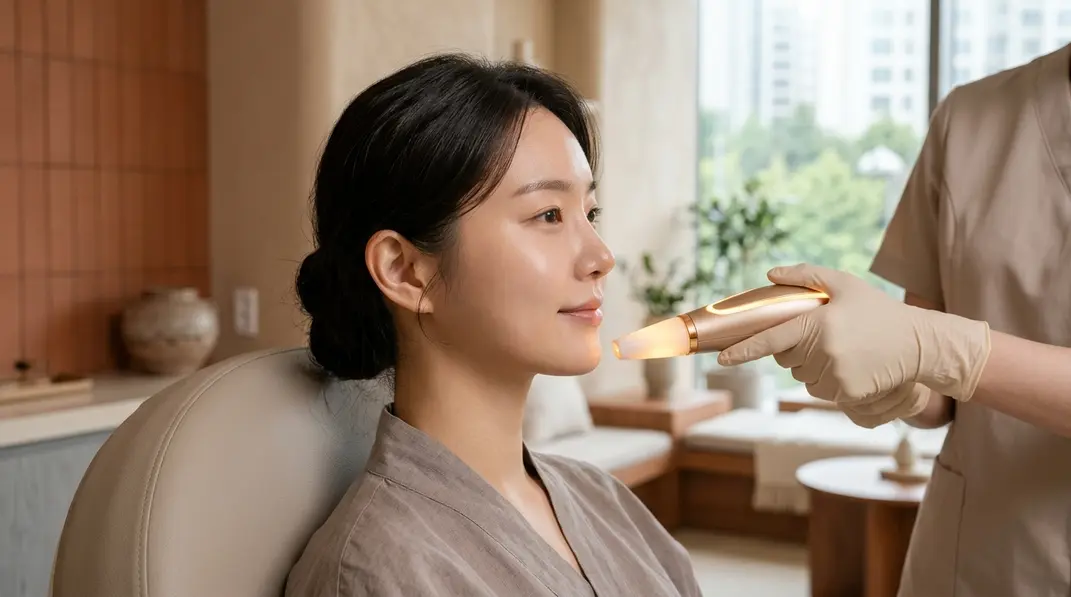
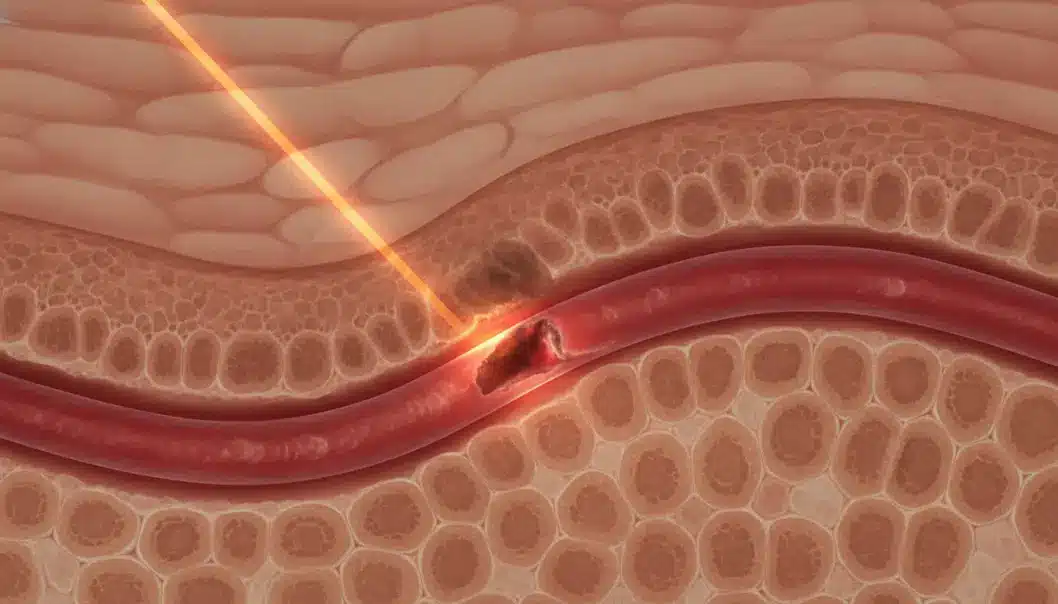
To put it simply, a vascular laser is a specialized device designed to target and treat blood vessels in the skin. Unlike lasers used for hair removal or resurfacing, these specifically hunt down the color red. It’s actually quite fascinating when you think about it!
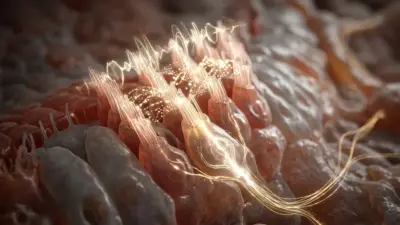
The science behind it is called Selective Photothermolysis. The laser emits a specific wavelength of light that is highly absorbed by hemoglobin (the protein that makes our blood red). When the laser hits the targeted vein, the light energy converts to heat. This sudden burst of heat damages the walls of the blood vessel, causing it to collapse and seal shut.
Over the next few weeks, your body’s natural immune system sweeps in and naturally absorbs the destroyed vessel, making it fade from view. The best part? Because the laser specifically targets the red pigment, the surrounding healthy skin is left completely unharmed.
Vascular lasers feature built-in cooling mechanisms (like a cold cryogen spray or a chilled tip) that protect the top layer of your skin while the laser works its magic underneath. This drastically reduces discomfort!
What Conditions Can Vascular Lasers Treat? 📊
You might be wondering if you’re a good candidate. Vascular lasers are incredibly versatile and can address a wide variety of concerns. Here are some of the most common issues treated:
| Skin Condition | Description | Expected Sessions |
|---|---|---|
| Rosacea / Diffuse Redness | Chronic inflammatory condition causing facial flushing and persistent redness. | 3-5 sessions, plus maintenance. |
| Spider Veins (Telangiectasia) | Tiny, visible broken blood vessels usually on the nose, cheeks, or legs. | 1-3 sessions. |
| Cherry Angiomas | Small, bright red circular spots that can appear anywhere on the body. | Usually 1 session. |
| Port-Wine Stains | A type of vascular birthmark that looks like maroon wine spilled on the skin. | Multiple sessions depending on size/darkness. |
The Treatment Journey: What to Expect 👩⚕️👨⚕️
Going in for a laser treatment can feel a bit intimidating if you’ve never done it before. Let me walk you through the process so you know exactly what to anticipate.
During the Procedure: Most patients describe the sensation as feeling like a small rubber band gently snapping against the skin. It’s usually very tolerable, especially with the cooling devices attached to modern lasers. Depending on the area being treated, a session can take anywhere from 5 to 30 minutes.
📝 Post-Treatment Downtime Example
Immediately after, your skin will likely look flushed, similar to a mild sunburn. Here’s a typical recovery timeline:
- Day 1-2: Mild redness and potential swelling (especially around the eyes if the upper cheeks were treated).
- Day 3-7: Depending on the laser settings, you might experience \”purpura\” (laser bruising). This looks like dark purple dots and is perfectly normal, though it can take 1-2 weeks to fully clear.
- Week 4: You’ll start seeing the final, clearer results!
Your skin will be extremely sensitive to UV rays after treatment. Failing to wear SPF 50+ can lead to hyperpigmentation (dark spots). Avoid direct sun exposure for at least two weeks post-treatment.
Types of Vascular Lasers 🧮
Not all vascular lasers are created equal. Your dermatologist will choose the best one based on the depth and size of your blood vessels. The two heavyweights in the industry are:
- Pulsed Dye Laser (PDL) – e.g., Vbeam: The gold standard for superficial redness, rosacea, and port-wine stains. It uses a 595nm wavelength.
- Nd:YAG (1064nm) – e.g., Excel V: Reaches deeper into the skin to tackle larger, thicker blue or purple veins, commonly used on the legs.
🔢 Simple Treatment Estimator
*Note: This is a fun, rough estimation. Always consult a professional for an accurate treatment plan.
📝 Summary Card
Let’s wrap up everything we’ve covered today into a quick, easy-to-read summary!
Vascular Laser Quick Recap
FAQ ❓
Dealing with skin issues can be an emotional journey, but modern dermatology offers some truly incredible tools to help us feel confident in our own skin again. I hope this guide cleared up any confusion you had about vascular lasers!
If you have any more questions about the treatment, recovery, or just want to share your own experiences, feel free to ask in the comments below! Take care of your beautiful skin! 😊