
I still remember the first time I decided to tackle a home flooring project. The old carpets were completely worn out, and I desperately wanted that sleek, modern hardwood look. But let’s be honest, real hardwood was way out of my budget! That’s when I stumbled upon laminate flooring. I was a bit skeptical at first—would it look cheap? Would it last? Fast forward five years, and it still looks absolutely stunning. 😊
If you are in the same boat, wondering if laminate is the right choice for your space, you have come to the right place. Let’s dive into everything you need to know about this incredibly versatile flooring option.
What Exactly is Laminate Flooring? 🤔
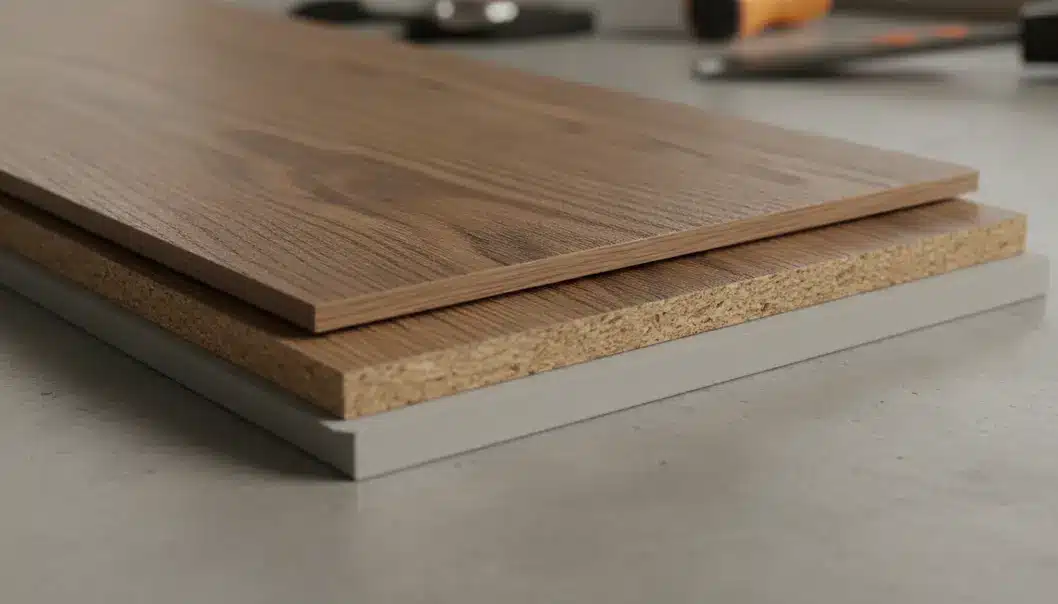
Simply put, laminate is a multi-layer synthetic flooring product fused together with a lamination process. It simulates wood (or sometimes stone) with a photographic applique layer under a clear protective layer. The inner core is usually composed of melamine resin and fiberboard materials.
To really understand its durability, let’s break down its four primary layers:
- The Wear Layer: This is the transparent top layer that protects against scratches, stains, and fading.
- The Design Layer: A high-resolution photographic image that gives the floor its authentic wood or stone appearance.
- The Core Layer: Made from high-density fiberboard (HDF), this layer provides the structural strength and moisture resistance.
- The Backing Layer: The bottom-most layer that protects the plank from moisture and helps balance the floor.
When shopping, always check the thickness of the laminate. Generally, thicknesses range from 7mm to 12mm. Thicker laminate (10mm or 12mm) feels more like real wood, sounds better underfoot, and is more forgiving if your subfloor isn’t perfectly level.
Pros and Cons of Laminate Flooring
| Feature | The Good (Pros) | The Bad (Cons) |
|---|---|---|
| Cost | Highly affordable compared to hardwood. | Can lower home resale value vs. real wood. |
| Durability | Extremely scratch and stain-resistant. | Cannot be refinished if heavily damaged. |
| Installation | Easy DIY click-and-lock system. | Requires a perfectly smooth subfloor. |
| Water Resistance | Good for everyday spills. | Prone to swelling if water pools on it. |
Choosing the Right Laminate: AC Ratings Explained 📊
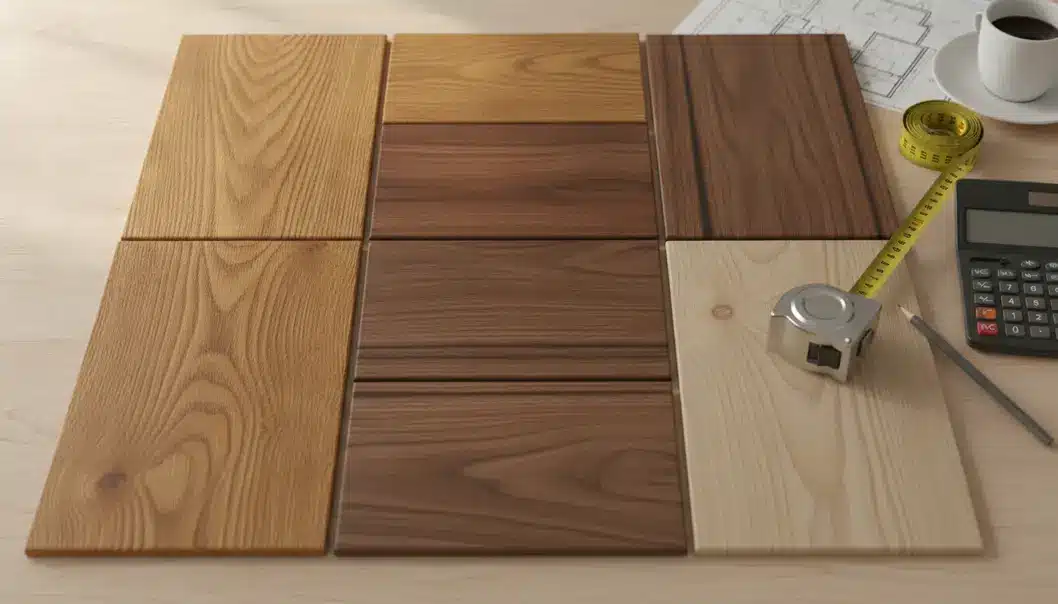
Have you ever noticed “AC” followed by a number on laminate flooring boxes? To be honest, I completely ignored it during my first shopping trip, but it turns out to be one of the most critical factors! AC stands for Abrasion Criteria, and it measures the flooring’s durability against wear, impact, and stains.
- AC1 & AC2: Light residential use (bedrooms, guest rooms).
- AC3: Heavy residential use (living rooms, hallways). This is the most common standard for homes.
- AC4 & AC5: Commercial traffic (offices, boutiques). Great for homes with large dogs or extremely high traffic!
I usually recommend going for an AC3 or AC4 rating for areas like the living room or kitchen to ensure maximum longevity.
Budgeting: Laminate Flooring Cost Estimator 🧮
One of the best things about laminate is how budget-friendly it is. On average, materials cost between $1.50 and $4.00 per square foot, depending on the thickness and design quality. Let’s crunch some numbers using a handy tool I built for you!
🔢 Laminate Cost Calculator
Installation and Maintenance Tips 🛠️
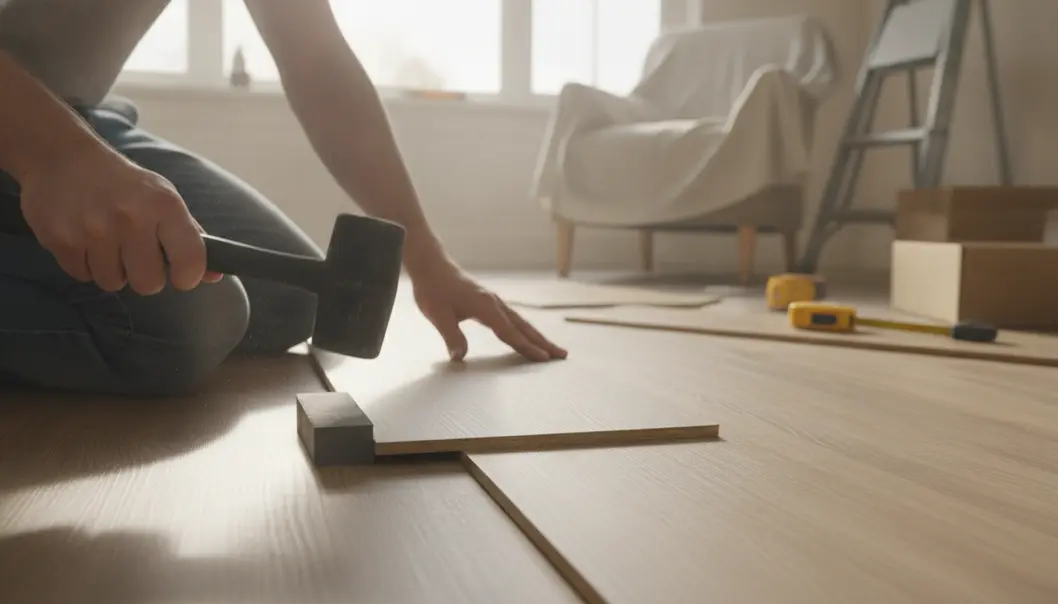
You might be wondering, "Can I install this myself?" The answer is a resounding yes! Modern laminate features a click-and-lock mechanism that literally snaps together. I installed my 200 sq ft bedroom in a single weekend. However, the secret to a flawless finish lies entirely in the prep work.
- Acclimate the Planks: Leave the closed boxes in the room for at least 48 hours before installation.
- Prep the Subfloor: It must be flat, clean, and dry. Even minor bumps will be felt later!
- Use an Underlayment: Unless your planks have pre-attached padding, you need underlayment for moisture protection and sound dampening.
- Leave an Expansion Gap: Always leave a 1/4-inch gap around the perimeter of the room to allow the wood to expand and contract.
Never use a wet mop or steam cleaner on standard laminate flooring. Moisture can seep into the seams, causing the HDF core to swell and warp permanently. Always use a damp microfiber mop and dry spills immediately.
📝 Summary
Let's wrap up the key takeaways before we look at some common questions.
Laminate Flooring Essentials
FAQ ❓
I hope this guide has cleared up your questions about laminate flooring and gives you the confidence to start that home renovation project! It's a fantastic, cost-effective way to beautifully transform your home. If you have any more questions about installation or choosing a brand, feel free to ask in the comments! 😊
Disclaimer: This information is for general educational purposes. Always consult manufacturer guidelines and consider professional help for complex installations.