Have you ever looked in the mirror halfway through the day, only to notice your makeup clinging to dry patches? It’s totally annoying, isn’t it? As someone who has battled with a tight, parched complexion for years, I know exactly how frustrating dry skin can be. Especially during harsh winters or in air-conditioned spaces, our skin just seems to lose all its life. 😊
That was until I fully embraced the Korean skincare philosophy. Instead of just slapping on a thick, greasy cream and calling it a day, K-beauty focuses on building a resilient moisture barrier from the inside out. Let’s dive into how we can achieve that coveted “glass skin” look, even if your skin naturally leans on the drier side.
Why is Korean Skincare Different? 🤔
The fundamental difference I’ve noticed is the absolute dedication to hydration layering rather than just heavy occlusion. Western routines often rely on applying thick creams to trap moisture, but if there’s no hydration inside the skin to begin with, you’re just trapping dry air!
| Approach | Korean Skincare | Traditional Skincare |
|---|---|---|
| Hydration Method | Multiple lightweight layers (toners, essences) | One heavy moisturizer |
| Skin Barrier | Proactive strengthening with Ceramides | Reactive repairing |
| Exfoliation | Gentle chemical (PHA, LHA) | Harsh physical scrubs |
Did you know? In Korea, a popular trend is applying a hydrating, watery toner up to 7 times in a row! It forces moisture deep into the skin without feeling heavy. You don’t always need 7 layers, but 2 or 3 can make a world of difference.
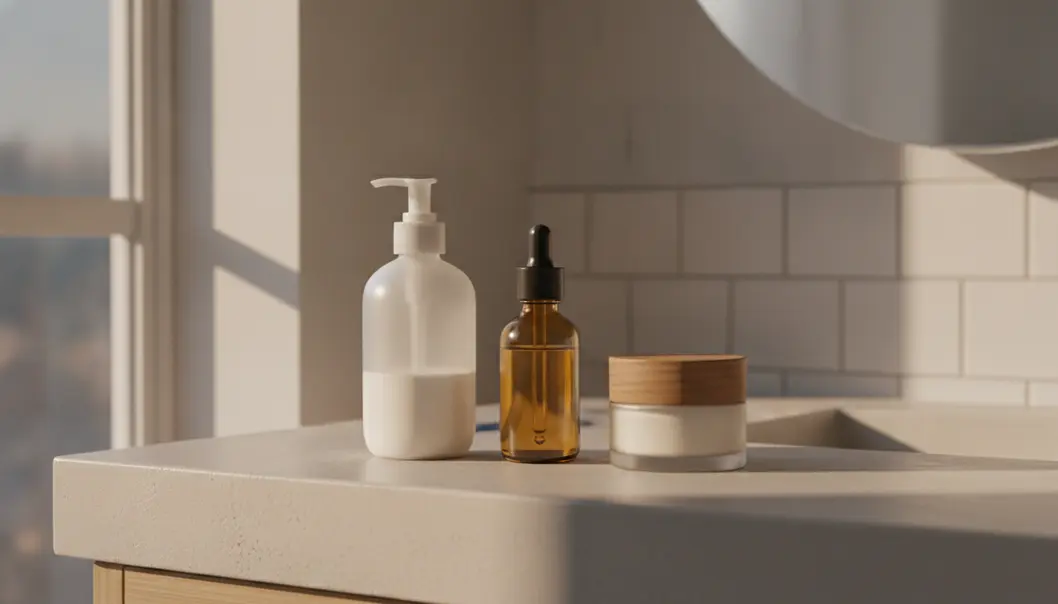
The Ultimate Routine for Parched Skin 💧
Building a routine might seem intimidating at first, but honestly, it becomes a very relaxing ritual. When my skin was at its absolute driest, I realized that my cleansing step was the biggest culprit.
- 1. Gentle Double Cleansing: Start with a cleansing balm or oil to melt away makeup and sunscreen. Follow up with a low-pH, non-foaming gel cleanser. Remember, squeaky clean means your skin is stripped!
- 2. Milky Toners: Skip the astringents! Look for toners that look like skim milk, often packed with ceramides, rice extract, or panthenol.
- 3. Snail Mucin or Hyaluronic Acid Essence: Apply this while your face is still slightly damp. It acts like a sponge, pulling water directly into your skin cells.
- 4. Barrier Cream: Seal everything in with a rich moisturizer containing ceramides, cholesterol, and fatty acids.
Avoid toners with denatured alcohol (often listed as Alcohol Denat) or witch hazel if you have severely dry skin. They evaporate quickly and take your skin’s natural moisture with them!
🔢 Hydration Layer Calculator
Not sure how many toner layers your skin needs today? Let’s figure it out based on how your skin feels!
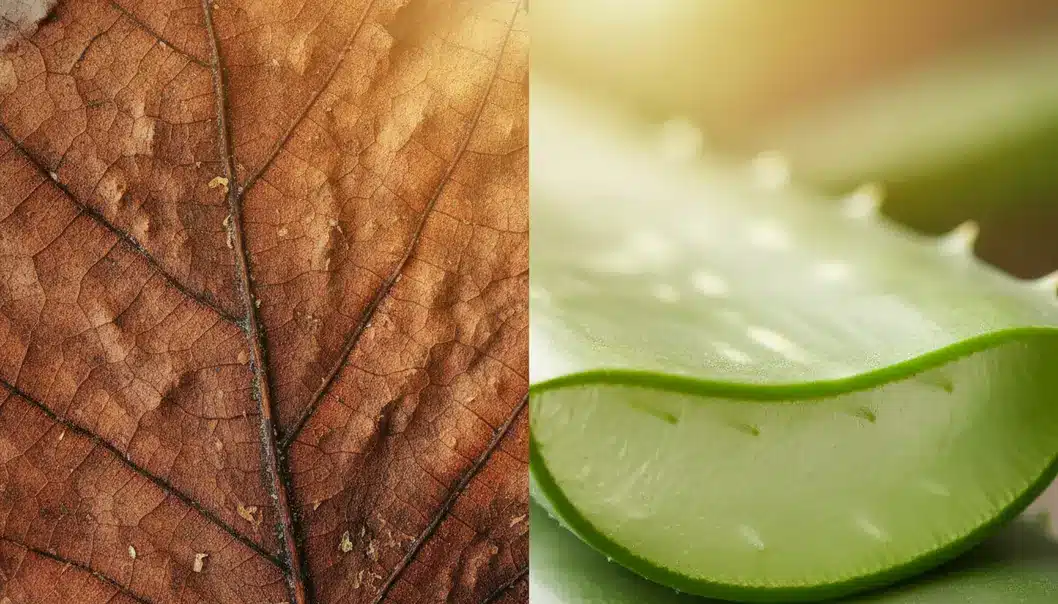
Star Ingredients & Case Study 🌿
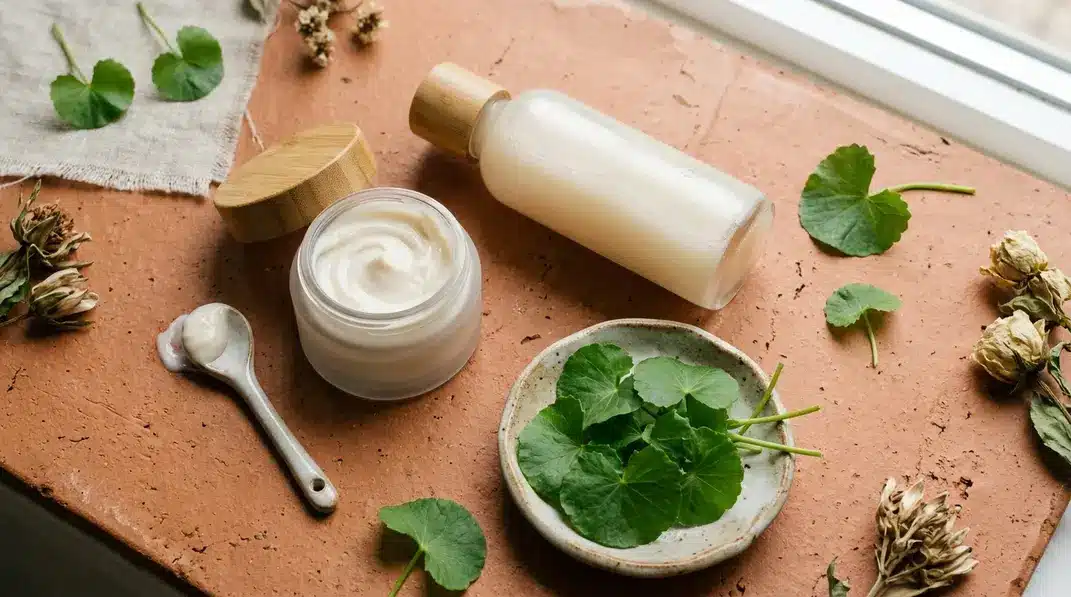
When I was rebuilding my skin barrier, I became completely obsessed with reading ingredient labels. In K-beauty, Centella Asiatica (Cica) and Snail Mucin are true lifesavers for dry, irritated skin.
📝 Example: Repairing Winter Windburn
The Situation: After a long ski trip, my skin was red, flaky, and stung even when just applying water. A classic case of a severely compromised barrier!
The K-Beauty Fix:
- Switched completely to a milky, ceramide-based cleanser.
- Applied a thick layer of Panthenol (Vitamin B5) serum while the skin was wet.
- Sealed it with a Centella Asiatica sleeping mask overnight.
The Result: Within 48 hours, the stinging completely stopped, and the dry flakes were gone. Intensive hydration truly heals!
K-Beauty Dry Skin Summary
FAQ ❓
Transforming dry skin doesn’t happen overnight, but with the right K-beauty approach, it’s incredibly achievable. If you have any more questions about building your routine or specific product recommendations, feel free to ask in the comments! 😊