

I still remember the first time I had to undergo a procedure that required sedation. To be honest, I was a nervous wreck! I kept wondering if I would wake up in the middle of it or how I would feel afterward. It’s completely normal to feel anxious, isn’t it? 😊 But once I understood what sedation actually entails, my fears melted away.
Whether you are getting your wisdom teeth pulled, going in for a routine endoscopy, or having a minor surgical procedure, sedation is a wonderful tool that helps you stay comfortable and pain-free. Today, I want to walk you through everything you need to know about sedation care, from preparation to recovery.
Understanding the Levels of Sedation 😴
Not all sedation is the same. Depending on your procedure and your doctor’s recommendation, you might receive different levels of medication. It’s not a one-size-fits-all approach!
- Minimal Sedation: You are awake but completely relaxed (often called “laughing gas” or a mild oral pill).
- Moderate (Conscious) Sedation: You might slur your words and not remember much, but you are technically awake and breathing on your own.
- Deep Sedation: You are on the edge of consciousness but can still be awakened. (This is different from general anesthesia where you are completely unconscious.)
Your healthcare provider will carefully select the right level for you to ensure your safety and comfort. They monitor your vitals constantly, so you really have nothing to worry about.
How to Prepare: The Golden Rules 📋
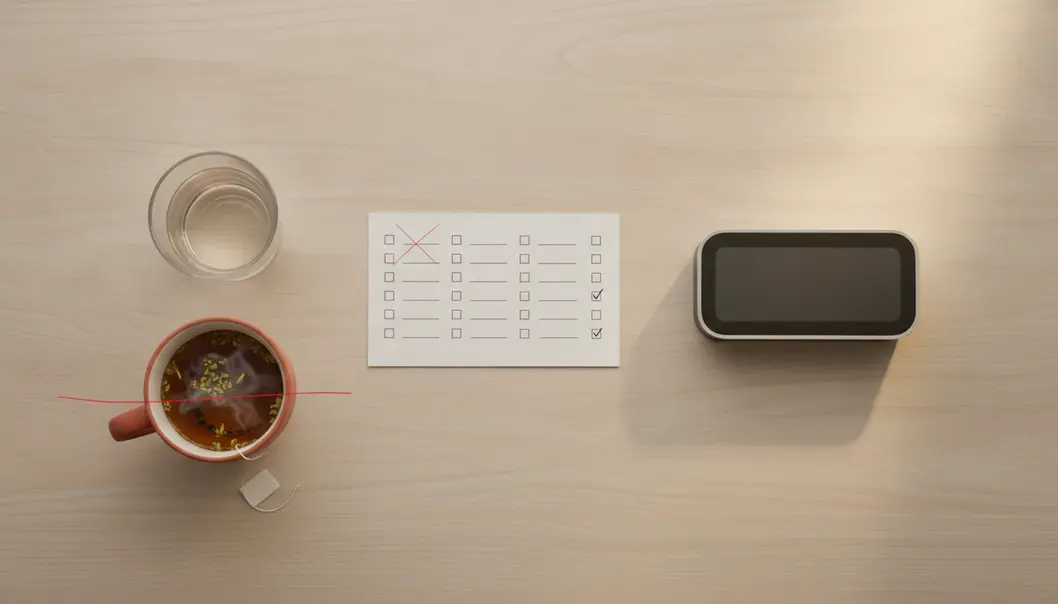
Proper preparation is arguably the most critical part of sedation care. If you don’t follow the pre-procedure guidelines, your appointment might be canceled. Let’s look at the standard fasting rules, which are essential to prevent complications like aspiration.
| Type of Intake | Fasting Time Required | Examples |
|---|---|---|
| Clear Liquids | 2 Hours Before | Water, black coffee (no milk), apple juice |
| Light Meal | 6 Hours Before | Toast and clear liquid, dry cereal (no milk) |
| Heavy/Fatty Meal | 8 Hours Before | Fried food, meat, cheese, anything with dairy |
Always tell your doctor about every medication, supplement, or herbal remedy you are taking. Some can interact dangerously with sedatives. And please, arrange for a responsible adult to drive you home. You legally and safely cannot drive for 24 hours after sedation!
Interactive Fasting Calculator 🔢
Not sure when to stop eating? Use this simple calculator to find out your heavy meal cut-off time based on standard 8-hour fasting guidelines.
🔢 Fasting Time Calculator
Enter your scheduled procedure time:
During the Procedure: What Happens? 🩺
Once you are in the treatment room, the team will attach sensors to monitor your heart rate, blood pressure, and oxygen levels. I found this part very reassuring! The sedative is usually administered through an IV in your arm, and it works incredibly fast. One moment you are counting backwards from 10, and the next, you are waking up in the recovery room.

Post-Sedation Recovery at Home 🏡
Waking up from sedation can feel a bit disorienting. You might feel groggy, giggly, or even a little tearful—it is all perfectly normal! The most important part of sedation care happens when you get home.
- Rest up: Plan to do absolutely nothing for the rest of the day. Binge-watch your favorite show or take a long nap.
- Start with light foods: Your stomach might be sensitive. Stick to soup, crackers, or toast before moving on to a regular meal.
- Stay hydrated: Drink plenty of water to help flush the medication out of your system.
- No big decisions: Do not sign any legal documents, make online purchases, or operate machinery for at least 24 hours. Your judgment is compromised!
Sedation Care Summary
FAQ ❓
Navigating medical procedures can be a bit scary, but with proper sedation care, the experience becomes much smoother and safer. Always communicate openly with your healthcare provider. If you have any more questions about preparing for your procedure or how to manage your recovery, feel free to ask in the comments! Stay healthy and take care! 😊
Disclaimer: The information provided in this article is for general informational purposes only and does not substitute professional medical advice. Always consult with your doctor or anesthesiologist for instructions tailored to your specific health condition.