
Have you ever looked in the mirror and felt completely frustrated by those stubborn, indented scars left behind by past acne breakouts? Trust me, I completely understand. 😊 Acne is hard enough to deal with, but the reminders it leaves behind can be truly exhausting. You might have tried every serum, cream, and gentle exfoliator out there, only to realize that those deeper dips in your skin just won’t budge. Today, we are going to talk about a game-changing treatment called subcision.
What Exactly is Subcision? 🤔
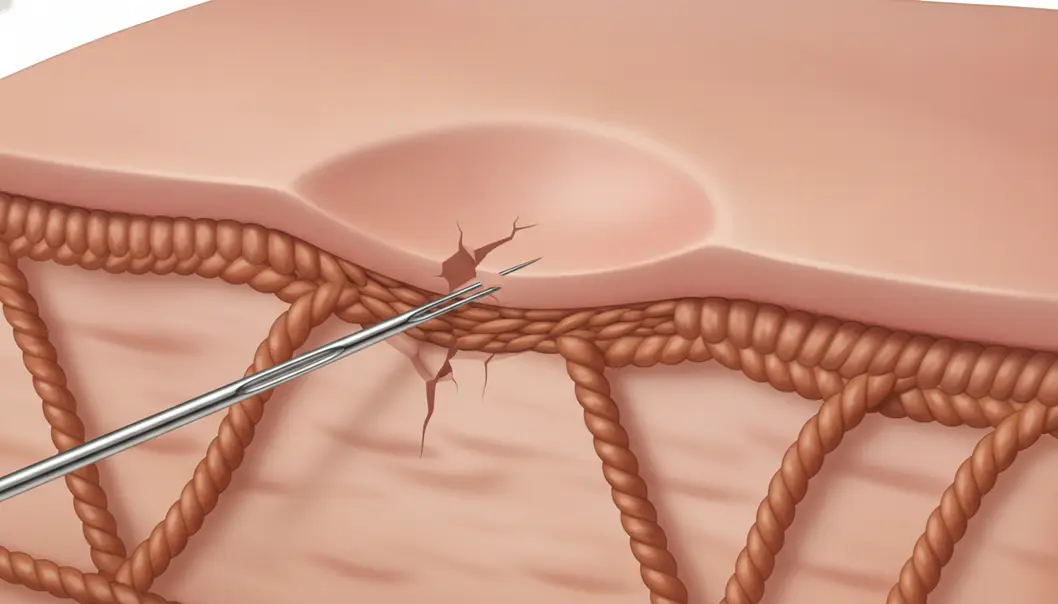
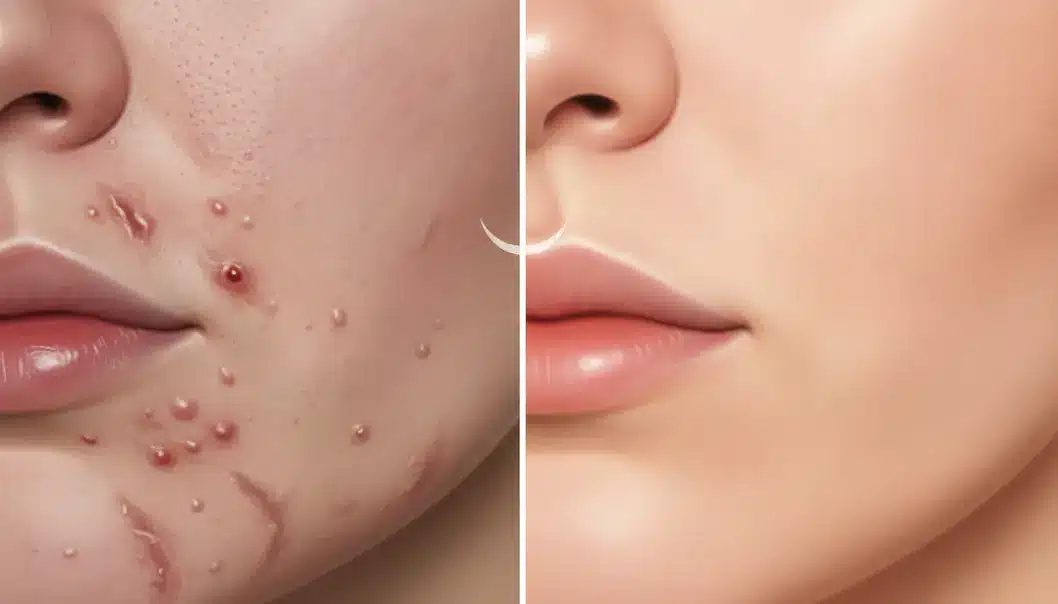
To put it simply, subcision is a minor surgical procedure performed by dermatologists to treat depressed acne scars. When you get a severe acne cyst, the inflammation can destroy healthy collagen. As your body heals, it sometimes creates tough, fibrous bands of scar tissue that pull the top layer of your skin downward, anchoring it to the deeper tissues. This is what creates those annoying craters or indentations on your face.
Subcision works by physically breaking these tethered bands. The doctor inserts a special hypodermic needle—often called a Nokor needle—under the scar. By moving the needle back and forth, they cut the fibrous strands. Once the skin is released, it bounces back up, creating a smoother surface. It is basically freeing your skin from the anchors pulling it down!
Subcision works absolute wonders for rolling scars (which have sloping edges) and boxcar scars. However, it isn’t very effective for deep ice pick scars, which are narrow and plunge deep into the skin. Consulting a board-certified dermatologist is key to knowing if you are a good candidate.
The Procedure: What Actually Happens? 🏥
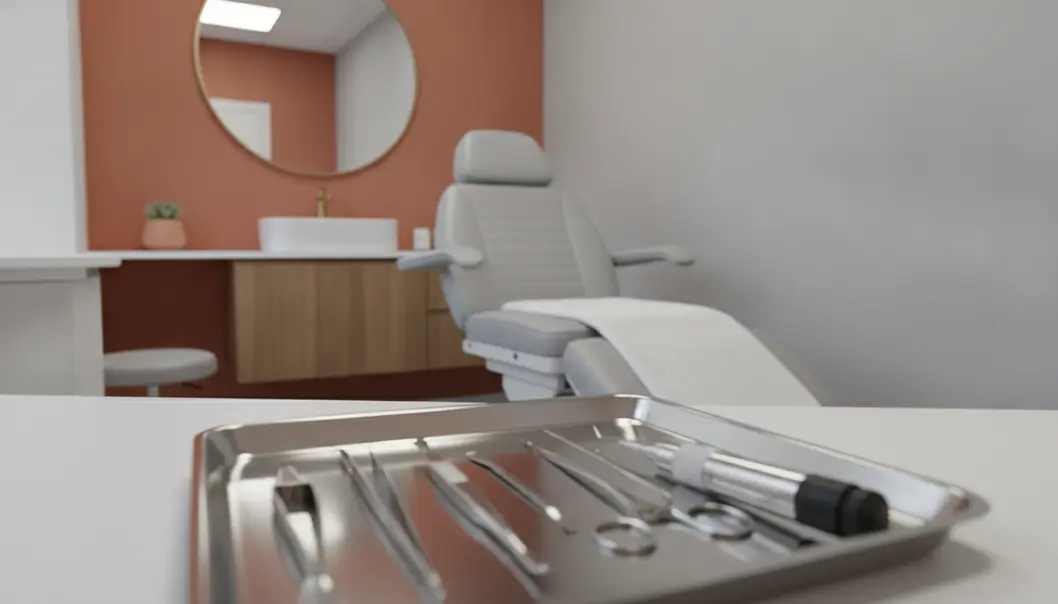
I know the idea of a needle moving around under your skin sounds a bit scary. I felt the exact same way before looking into it! But honestly, the procedure is very straightforward and incredibly common.
First, your doctor will clean your face and inject a local anesthetic to numb the area. You will feel a slight pinch from the numbing shot, but after that, you really shouldn’t feel pain. During the actual subcision, you might feel a strange tugging sensation or hear a slight ‘popping’ or ‘snapping’ sound. Don’t panic! That sound is just the fibrous bands breaking, which is exactly what we want to happen. The whole process usually takes about 15 to 30 minutes depending on how many scars you are treating.
Because subcision involves cutting tissue under the skin, bruising and swelling are incredibly common and completely normal. You might look a bit beaten up for about 5 to 7 days, so it’s best not to schedule this right before a major life event!
Subcision vs. Other Treatments
You might be wondering, “Why not just get a laser treatment?” That is a great question. Lasers and microneedling are fantastic for skin texture and building collagen, but they can’t break those tough physical tethers. Let’s compare them quickly.
| Treatment | Main Function | Best For | Downtime |
|---|---|---|---|
| Subcision | Releasing tethered scars | Rolling & deep boxcar scars | 5-7 days (bruising) |
| Microneedling | Stimulating overall collagen | Shallow scars & texture | 2-3 days (redness) |
| CO2 Laser | Resurfacing top layer | Severe texture & edge smoothing | 7-14 days (peeling) |
Often, dermatologists will recommend combining subcision with filler. By placing a small amount of dermal filler into the pocket created by the subcision, it prevents the scar from re-tethering while it heals and immediately plumps the indentation. It’s a truly brilliant combination!
Costs and Recovery Timeline 🧮
So, how much does this actually cost? To be completely transparent, it really depends on where you live and the severity of your scarring. Generally, a single session can range from $300 to $800. If you add filler or combine it with laser treatments, the cost will obviously be higher.
📝 Example: A Typical Treatment Plan
Most people need more than one session for optimal results. A standard approach might look like this:
- Month 1: 1st Subcision session + HA Filler (Moderate bruising)
- Month 2: 2nd Subcision session (Less bruising, noticeable lifting)
- Month 3: Microneedling to blend the superficial texture
🔢 Subcision Cost Estimator
📝 Summary
If you are tired of indented acne scars, this treatment is highly worth exploring. Let's recap what we've learned today.
Subcision Summary
FAQ ❓
Dealing with acne scars can be incredibly frustrating, but remembering that there are highly effective medical treatments out there always gives me hope. If you have any more questions about subcision, or if you've had it done yourself and want to share your experience, please feel free to ask in the comments! 😊
Disclaimer: The information provided in this article is for educational purposes only and is not a substitute for professional medical advice. Always consult with a qualified healthcare provider regarding any medical conditions or treatments.