
Have you ever looked in the mirror and wished you could just hit a “refresh” button on your skin? I’ve been there! Between unexpected breakouts, lingering dark spots from summer days, and just general dullness, it can be totally frustrating. Honestly, finding the right skincare treatment sometimes feels like searching for a needle in a haystack. But recently, I’ve been diving deep into the world of chemical peels, and there’s one that consistently pops up on the radar for its fantastic balancing act: the Coomes peel. 😊
In this guide, we’re going to explore everything you need to know about the Coomes peel. Whether you’re a total beginner to skin peeling or a seasoned skincare junkie looking for a new holy grail, I’ve got you covered!
What Exactly is a Coomes Peel? 🤔
To put it simply, the Coomes peel is a specialized chemical exfoliation treatment designed to strip away dead skin cells, unclog pores, and reveal a fresh, vibrant layer of skin beneath. It’s often compared to other famous superficial peels, but it brings a unique formulation that makes it incredibly effective for addressing specific skin concerns without extreme aggression.
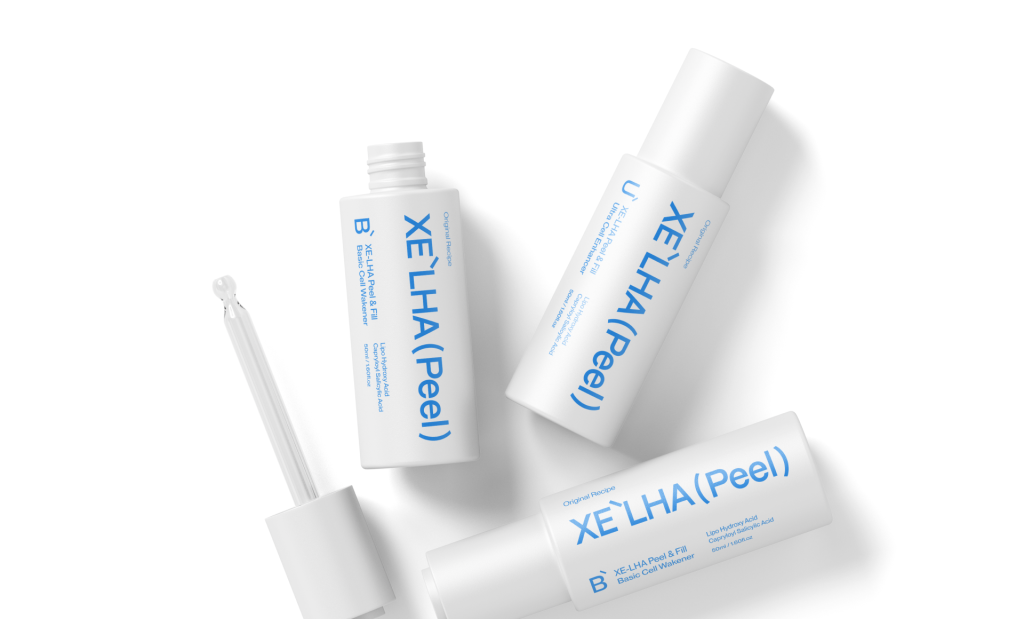
Usually, this peel utilizes a precise blend of active ingredients—often an effective mix of superficial peeling agents like lactic acid, salicylic acid, and sometimes complementary botanical extracts. This powerful trio works synergistically to gently dissolve the structural bonds holding dull, dead skin cells together.
Unlike deeper, more invasive treatments, the Coomes peel focuses primarily on the outermost layers of the epidermis. This means you get the coveted glow without the intense, week-long raw shedding associated with deeper chemical processes!
Key Benefits & Who It’s For 📊
So, why should you consider adding this to your beauty arsenal? I think its biggest flex is versatility. Whether you’re battling persistent adult acne or trying to fade stubborn hyperpigmentation, this treatment really steps up to the plate. It’s an all-rounder!
| Skin Concern | How It Helps | Suitability |
|---|---|---|
| Active Acne & Congestion | Active acids dive deep into pores to dissolve trapped sebum. | Highly Recommended |
| Hyperpigmentation & Scars | Accelerates cellular turnover to safely fade dark spots over time. | Great for mild to moderate cases |
| Dullness & Early Aging | Hydrates and smooths superficial fine lines for a plump look. | Excellent for a quick glow-up |
If you have extremely sensitive skin, an active rosacea flare-up, or are currently using oral prescription retinoids (like Isotretinoin), you must consult your board-certified dermatologist before booking a session.
What to Expect: The Timeline & Procedure 🧮
I know stepping into a clinic for a chemical peel can feel a bit intimidating, especially if it’s your first time. Let me demystify the process for you. The actual application is surprisingly quick, usually taking less than 30 minutes. You might feel a slight tingling or “spicy” warming sensation while the solution is active—this is totally normal and means it’s working!
🔢 Recovery Timeline Estimator
Select your skin type to see an estimated peeling timeline!
Aftercare Rules You Cannot Ignore 👩💼
To be honest, the results you achieve rely just as much on your post-peel aftercare as they do on the treatment itself. If you slack on protecting your fresh, vulnerable skin, you might end up with more hyperpigmentation than you started with. We definitely don’t want that!
- Hydrate Relentlessly: Swap out your lightweight lotions for a heavy-duty, ceramide-rich barrier repair cream.
- No Picking! I mean it. Peeling off flakes manually can cause permanent scarring and dark spots.
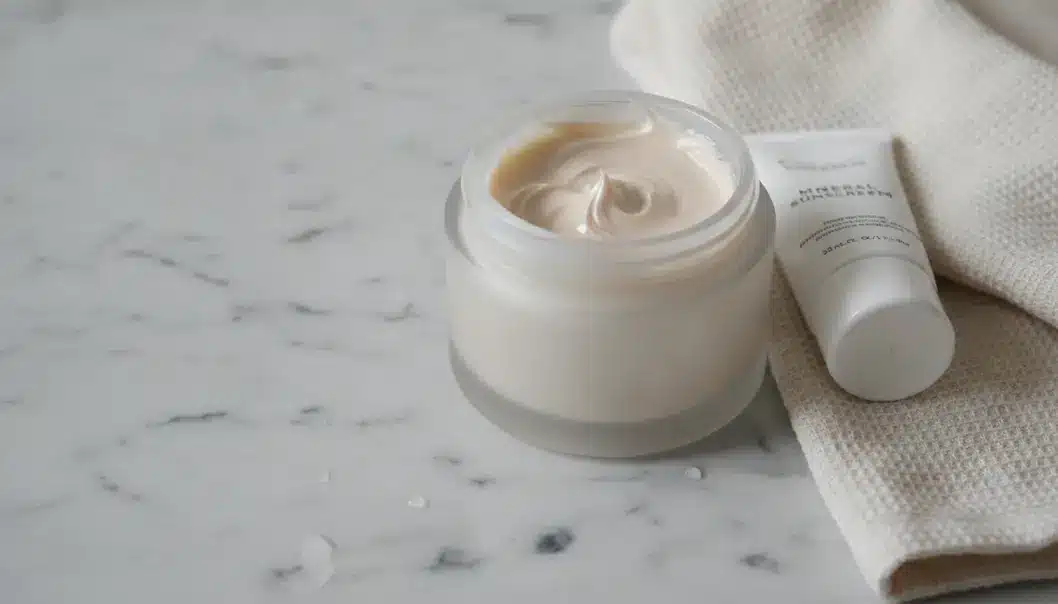
- SPF is Your Best Friend: Apply a broad-spectrum SPF 30+ every single day, even if you are staying indoors.
Coomes Peel Summary
Frequently Asked Questions ❓
Final Thoughts on the Coomes Peel 📝
I really think that finding the right exfoliation method can completely shift your skincare game. The Coomes peel offers a fantastic middle-ground—delivering tangible, beautiful results without forcing you into hiding for two weeks!
If you’re dealing with stubborn breakouts, uneven texture, or just want to revive dull skin before a big event, it’s definitely an option worth discussing with your aesthetician or dermatologist. Remember, patience is key during the peeling process, and your aftercare is non-negotiable.
Have you ever tried a chemical peel, or are you thinking about taking the plunge? Share your thoughts or any questions in the comments below! I’d love to chat with you about it. 😊