
I vividly remember waking up, looking in the mirror, and wondering why I looked so exhausted—even after a full 8 hours of sleep. It was totally annoying! No matter how much concealer I layered on, those pesky shadows and hollows just wouldn’t budge. If you’re reading this, chances are you’ve experienced that exact same frustration. 😊
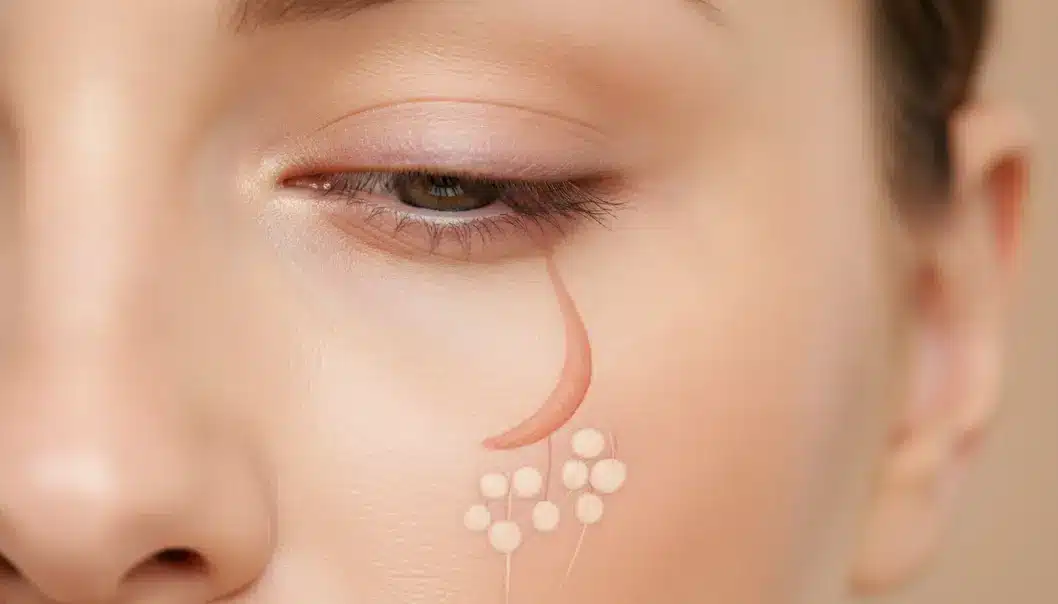
The truth is, the skin around our eyes is incredibly delicate. As we age, or simply due to genetics, we lose volume in this area. This creates a shadow effect, commonly known as a “tear trough” deformity, which leads to the appearance of dark circles. But here is the good news: under-eye injections offer a highly effective, minimally invasive solution.
Why Choose Under-Eye Injections? 🤔
Under-eye treatments have skyrocketed in popularity over the last few years, and honestly, it is easy to see why. Unlike heavy topical eye creams that promise the world but take months to show a slight difference, injectables can provide almost immediate results. They work by restoring lost volume, improving skin quality, and smoothing out the transition between the lower eyelid and the cheek.
Did you know? The skin under your eyes is about 0.5mm thick, compared to 2mm on the rest of your body! That’s why it is the first place to show signs of aging, fatigue, and dehydration.
By strategically placing the right product beneath this thin tissue, we can push the skin up and away from the underlying blood vessels, instantly brightening the area. Isn’t that fascinating?
Types of Under-Eye Injections 💉
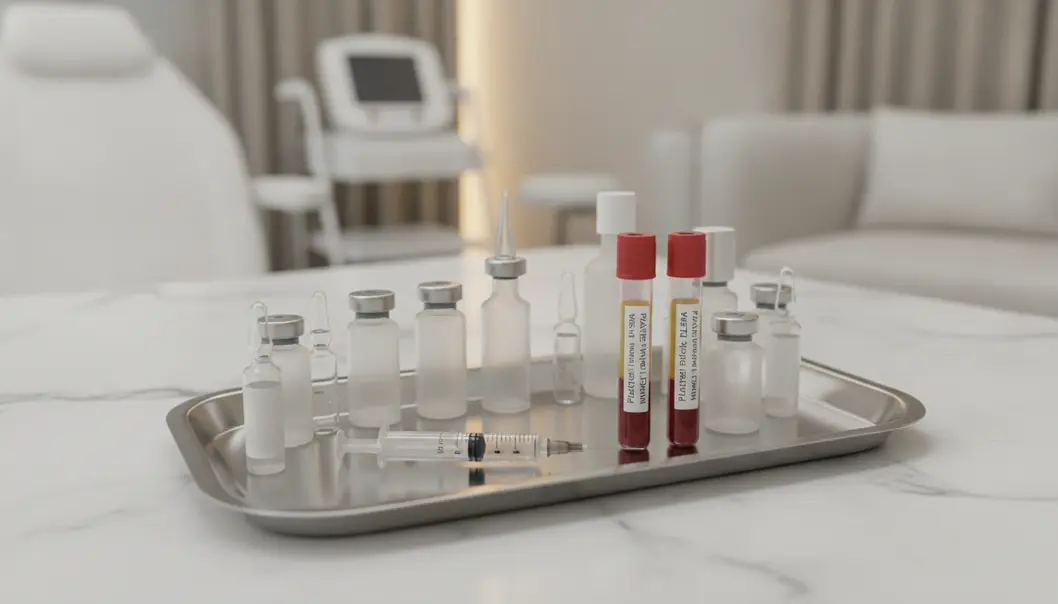
When I first started researching this, I thought “filler” was the only option. To be honest, there is a whole menu of treatments available today! Let’s break down the most popular types so you can understand what might work best for you.
| Treatment Type | Best For | Duration |
|---|---|---|
| Hyaluronic Acid (HA) Fillers | Deep hollows and true tear trough deformities. | 9 to 12 months |
| PRP/PRF (Platelet-Rich Plasma) | Improving skin texture, pigmentation, and fine lines. | 12 to 18 months (after 3 sessions) |
| Polynucleotides (Skin Boosters) | Cellular repair, hydration, and subtle plumping. | 6 to 9 months |
1. HA Fillers: This is the classic approach. Products like Restylane or Juvéderm are made of hyaluronic acid, a naturally occurring substance in our bodies. They literally “fill” the hollow space.
2. PRP/PRF: Often called “liquid gold,” this uses your own blood! They spin it in a centrifuge to extract the platelets and inject it back under your eyes. It stimulates your own collagen production. I think it’s an amazing natural alternative.
3. Polynucleotides: These are the new kids on the block (derived from salmon DNA!). They focus on regenerating the skin from a cellular level rather than just adding volume.
Not everyone is a good candidate for HA fillers. If you have severe under-eye bags (fat pads) or poor skin elasticity, filler can actually make the area look puffier and worse! Always consult a board-certified dermatologist or plastic surgeon.

What to Expect: Procedure and Costs 💸
So, what actually happens during the appointment? Honestly, I was a bit nervous my first time, but it was surprisingly quick and manageable.
- Consultation: Your injector will assess your anatomy to determine the right product.
- Numbing: A topical numbing cream is applied to keep you comfortable.
- Injection: Many experts now use a blunt-tipped cannula instead of a sharp needle. This drastically reduces the risk of bruising and swelling. It feels a bit like weird pressure, but not sharp pain!
- Assessment: They will massage the area gently to ensure the product is smooth.
🔢 Treatment Cost Estimator
Get a rough idea of what your first year might cost. (Note: Prices vary wildly by location and practitioner!)
It is important to remember that this is an investment in your confidence. While the upfront cost might seem steep, waking up looking refreshed every day without needing layers of heavy makeup? For me, it was totally worth it.

Quick Summary Guide
Final Thoughts & FAQ 📝
Dealing with under-eye shadows can be incredibly frustrating, but thankfully, modern aesthetic medicine offers some truly fantastic solutions. Whether you opt for the instant gratification of hyaluronic acid fillers or the natural rejuvenation of PRP, the key is understanding your unique anatomy and working with a skilled professional.
*Disclaimer: The information provided in this article is for educational purposes only and does not constitute medical advice. Cosmetic procedures carry inherent risks. Please consult with a qualified, board-certified healthcare provider to discuss your specific situation before undergoing any treatments.*
FAQ ❓
I hope this guide cleared up some of the mystery surrounding under-eye injections. If you have more questions or want to share your own experience, feel free to drop a comment below! 😊