
I still remember my first time getting sick in Seoul. My throat was on fire, my head was pounding, and the thought of trying to explain my symptoms in broken Korean was honestly terrifying! 🤒 Have you ever felt that sudden panic of needing a doctor while abroad? It’s totally normal to feel anxious, but I’m here to tell you that visiting a Korean clinic for foreigners is actually much easier than you might think. 😊
Why Choose a Foreigner-Friendly Clinic? 🤔
South Korea is world-renowned for its top-tier healthcare system. It’s fast, incredibly efficient, and highly affordable. However, for expats and tourists, the language barrier is the biggest hurdle. That’s exactly why seeking out a specialized foreigner-friendly clinic or an International Healthcare Center (IHC) at a major university hospital is a game-changer.
These clinics are staffed with English-speaking doctors (and often doctors who speak Chinese, Russian, and Japanese). Many of these professionals have studied or practiced abroad, so they completely understand the nuances of communicating medical issues across cultures. You don’t have to worry about mistranslating your symptoms!
If you are in a pinch and cannot find an English-speaking clinic nearby, dial 1330 (Korea Travel Helpline) or 119. They offer 24/7 medical interpretation services over the phone!
Types of Medical Facilities Available 🏥
When looking for medical help, it’s really important to know where to go based on your condition. Korea has a tiered medical system.
| Facility Type | Best For… | English Availability |
|---|---|---|
| Local Clinics (의원) | Colds, minor aches, skin rashes | Varies (Search “English speaking” on Maps) |
| General Hospitals (병원) | Specialized care, minor surgeries | Usually have international desks |
| University Hospitals (종합병원) | Emergencies, severe illnesses | High (Dedicated International Centers) |
For most everyday illnesses, a local neighborhood clinic is your best bet. It’s walk-in friendly, and the wait times are surprisingly short!

Step-by-Step: What to Expect During Your Visit 🚶♂️
To be honest, the speed of Korean clinics might shock you at first! From walking in the door to walking out with a prescription, the whole process often takes less than 30 minutes. Let’s break down exactly what happens.
Always bring your Alien Registration Card (ARC) or Passport! Even if you have National Health Insurance (NHIS), the clinic needs your physical ID to verify your coverage.
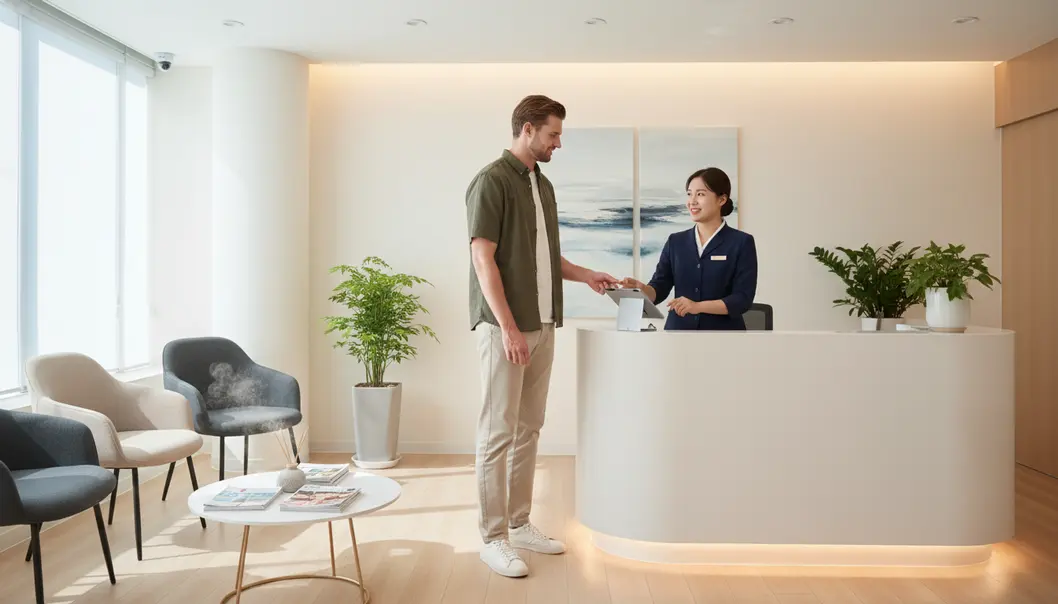
- Registration: Hand your ARC or passport to the front desk. Say “Jin-ryo bo-reo wasseo-yo” (I’m here for medical treatment).
- Wait: Take a seat. Your name will appear on a digital screen, or a nurse will call you.
- Consultation: Meet the doctor. Be direct about your symptoms.
- Payment & Prescription: Pay at the front desk. They will hand you a printed prescription (cheobangjeon).
- Pharmacy: Head to the nearest pharmacy (Yakguk), usually located in the same building, to get your medicine.
📝 A Typical Pharmacy Experience
Korean pharmacies are incredibly convenient. When you hand over your prescription, the pharmacist will usually group your pills into tiny, single-dose paper or plastic packets. No more guessing which pill to take!
- “Sik-hu 30 bun” = Take 30 minutes after meals.
- “Sik-jeon” = Take before meals.
How Much Will It Cost? 💸
If you are registered with the National Health Insurance Service (NHIS), the costs are jaw-droppingly low. A standard doctor’s visit for a cold might cost around 5,000 to 7,000 KRW (about $4-$5 USD). If you don’t have NHIS, expect to pay around 15,000 to 30,000 KRW for a basic consultation. Here is a handy estimator tool I made for you!
🔢 Simple Clinic Cost Estimator
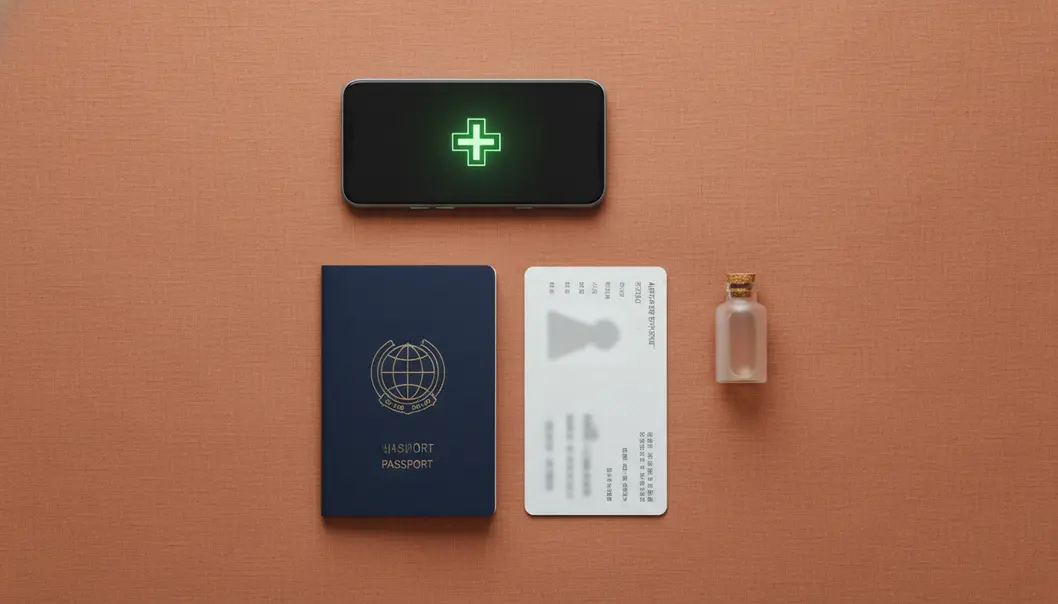
We’ve covered quite a bit of ground, haven’t we? To make things super easy, I’ve condensed the most important takeaways into this handy visual summary!
Expat Healthcare Cheat Sheet
FAQ ❓
Getting sick abroad is never fun, but I hope this guide makes navigating a Korean clinic for foreigners a little less daunting for you! Remember, the healthcare system here is designed to help you get better quickly and affordably. If you have any more questions about medical care in Korea, feel free to ask in the comments! Stay healthy! 😊