
Have you ever looked in the mirror and thought, ‘If only the tip of my nose was just a little more refined?’ Honestly, I completely understand that feeling. 😊 It’s amazing how a tiny adjustment to the tip of our nose can change the overall harmony of our face.
What Exactly is Tip Plasty? 🤔
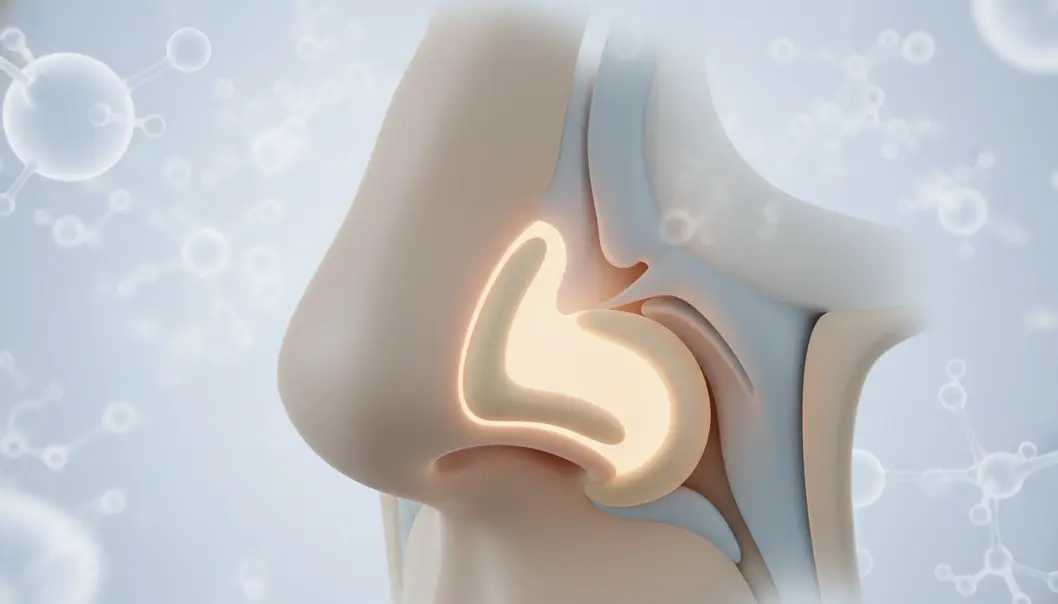
Tip of the nose surgery, commonly known in the medical world as a ‘tip plasty’, focuses solely on reshaping the nasal tip. Unlike traditional rhinoplasty that involves breaking or shaving down the nasal bone, tip surgery zeroes in on the cartilage.
Because the procedure doesn’t necessarily touch the bone, I think it sounds a lot less intimidating, isn’t it? The recovery is generally quicker, and the results can be truly transformative.
The shape of your nose tip is primarily determined by two pieces of cartilage called the lower lateral cartilages. Altering these is the secret to a refined tip!
Common Types of Tip Concerns 📊
Not everyone wants the same result because we all start with different anatomy. Here is a breakdown of the most common issues people want to fix.
| Concern Type | Description | Surgical Approach |
|---|---|---|
| Bulbous Tip | The tip looks round and wide, lacking definition. | Trimming and suturing the cartilage to create a sharper point. |
| Drooping Tip | The tip points downward, especially when smiling. | Lifting the tip and supporting it with a cartilage graft. |
| Upturned Tip (Piggy Nose) | The tip points too far up, exposing the nostrils. | Lengthening the tip using septal or rib cartilage. |

The Procedure & Recovery Expectations 🩺
If you are considering this surgery, you are probably wondering what the process is really like. To be honest, knowing what to expect can ease so much of that pre-surgery anxiety.
While tip plasty is less invasive than full rhinoplasty, it is still surgery! Swelling is totally normal and can take up to a year to completely subside, even if you look ‘camera ready’ in just a few weeks.
📝 A Real-Life Example
Let’s look at a common experience with a bulbous tip correction:
- The Issue: A patient felt her nose looked too wide in photos.
- The Fix: The surgeon performed a closed tip plasty, removing a tiny bit of excess fat and suturing the cartilage closer together.
- The Result: After 3 weeks, she returned to work with a beautifully refined profile!
Interactive: Recovery Timeline Estimator 🧮
Curious about how long it might take to see your final results? Try our fun little estimator below!
🔢 Recovery Estimator
📝 Summary & Key Takeaways
Before we wrap up, let’s review the main points. Tip plasty is fantastic, but being well-informed is your best asset!
Tip Plasty Core Summary
FAQ ❓
I hope this guide gave you a bit more confidence and clarity about tip of the nose surgery. Have you ever considered getting a minor adjustment, or do you have any lingering questions? Feel free to drop a comment below—I’d love to chat with you! 😊