
Have you ever scrolled through Instagram or TikTok and found yourself mesmerizingly watching flawless “glass skin” transformations? I know I have! 😊 The boom of Korean skincare and dermatology is absolutely everywhere right now. But as much as we love a good sheet mask, when it comes to clinical treatments like injectables or advanced lasers, a big question pops into my mind: Is this FDA approved?
To be honest, diving into the world of aesthetic treatments can feel a bit overwhelming. You might have heard of Korean botulinum toxins or dermal fillers being offered at local med-spas at a fraction of the cost. While the price tag is tempting, our health and safety should always come first. Today, I want to walk you through the fascinating landscape of Korean dermatology and US FDA regulations, so you can make informed, safe, and fabulous choices!
The Rise of K-Dermatology and the FDA Standard 🌟
South Korea is undeniably the global mecca for cosmetic innovation. Their domestic market is highly competitive, which drives incredible advancements in technology, efficacy, and affordability. However, what is perfectly legal and approved in Seoul might not automatically have the green light here in the US.
In Korea, products are regulated by the Ministry of Food and Drug Safety (MFDS), formerly known as the KFDA. While the MFDS has strict standards, the US FDA requires its own rigorous, often multi-year clinical trials before a drug or medical device can be marketed to American consumers. This is why a treatment that has been used in Korea for a decade might just now be hitting US clinics.
Just because a clinic advertises a product as “KFDA Approved” does not mean it is US FDA approved. If you are receiving treatment in the United States, always ask for US FDA-approved options to ensure your safety and legal compliance.
Popular Korean Treatments with US FDA Approval 💉
So, are there any Korean injectables or devices that have actually made it through the gruelling US FDA process? Absolutely! In fact, some of the most popular treatments in American med-spas right now have Korean roots. Let’s look at a few heavy hitters.
| Product Type | Brand Name (US) | Korean Manufacturer | FDA Approval Status |
|---|---|---|---|
| Neuromodulator (Toxin) | Jeuveau® | Daewoong Pharmaceutical (Nabota) | Approved (2019) |
| Neuromodulator (Toxin) | Letybo® | Hugel | Approved (2024) |
| PDO Threads | Mint PDO® | HansBiomed | Cleared for soft tissue approximation |
| Microneedling RF | Sylfirm X® | Viol Co., Ltd. | FDA Cleared |
As you can see, Korean pharmaceutical companies are actively expanding into the US market. Jeuveau, often called “Newtox,” was essentially the first Korean botulinum toxin to receive FDA approval for cosmetic use in the US, and it has been a game-changer for pricing!
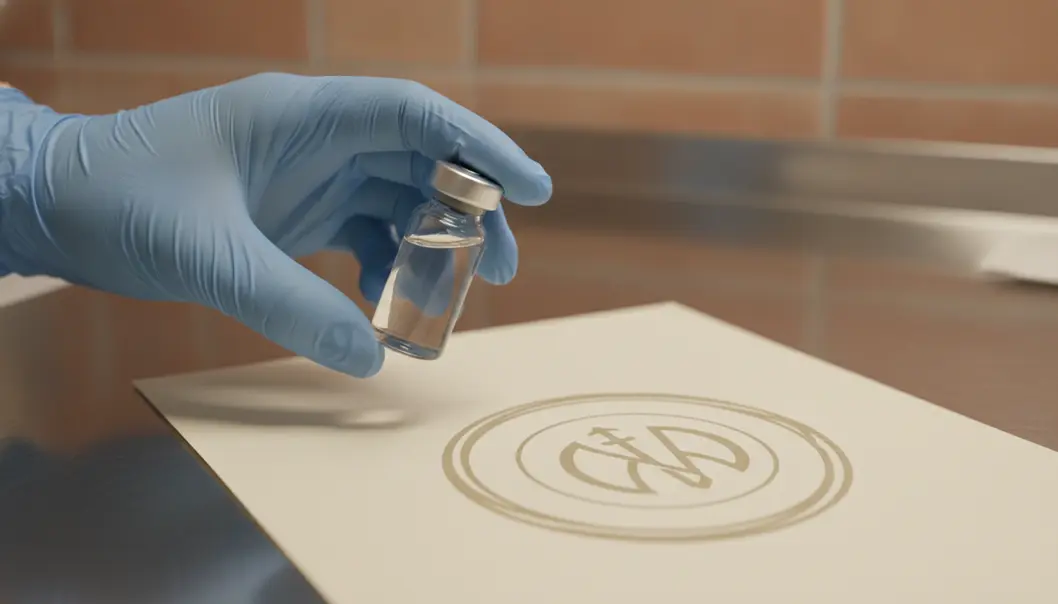
You might see clinics offering “Innotox” or “Meditoxin” in the US. Please be aware that as of now, these are NOT FDA-approved for use in the United States. Injecting unapproved, illegally imported products (grey market) carries massive risks, including contamination, improper dosing, and severe adverse reactions. Always verify the vial with your provider!

I totally get the hesitation. When something is new and significantly cheaper, we naturally wonder, “Is it actually safe?” The short answer for FDA-approved Korean products is: Yes! The FDA does not lower its standards just because a product originates overseas. In fact, they have to jump through exactly the same hoops as domestic brands.
📝 Example: The Journey of a Korean Neurotoxin
Let’s look at what it takes for a Korean injectable to enter the US market:
- Phase 1: Pre-clinical trials and securing an experienced US partner.
- Phase 2: Extensive Phase III clinical trials conducted on US soil with thousands of American participants to prove efficacy and safety.
- Phase 3: Rigorous FDA facility inspections. The manufacturing plants in South Korea must pass the exact same FDA cGMP (Current Good Manufacturing Practice) inspections as a plant in California or Europe.
Once all of this is cleared, the product is deemed just as safe and effective as its competitors. So, you can enjoy that smooth, wrinkle-free forehead with complete peace of mind!
Cost Comparison: Let’s Calculate Your Savings! 🧮
One of the main reasons people love FDA-approved Korean dermatology products is the price disruption. Brands like Jeuveau often position themselves as a premium but more accessible alternative to traditional Botox. Let’s crunch some numbers to see how much you might save on a typical treatment!
🔢 Toxin Treatment Savings Calculator
📝 Summary: Key Takeaways
We've covered a lot of ground today! Here is a quick visual summary of everything you need to remember before booking your next appointment.
💡 Quick Overview: K-Derm & FDA
FAQ ❓
I hope this guide helps you navigate the exciting world of Korean dermatology with confidence! Remember, beauty is great, but safety is absolutely non-negotiable. If you have any more questions about K-beauty treatments or want to share your own experiences, please drop a comment below! I'd love to chat with you. 😊 Stay glowing and stay safe!
Disclaimer: The information provided in this article is for educational purposes only and should not be considered medical advice. Always consult with a board-certified dermatologist or medical professional before undergoing any cosmetic procedures.