Have you ever looked in the mirror and felt frustrated by stubborn dark spots, acne scars, or melasma that just won’t fade? I totally understand that feeling. 😊 No matter how many expensive serums we use, some pigmentation issues need a little extra help. That’s exactly why Pico toning has become such a massive trend in dermatology!
What Exactly is Pico Toning? 🤔
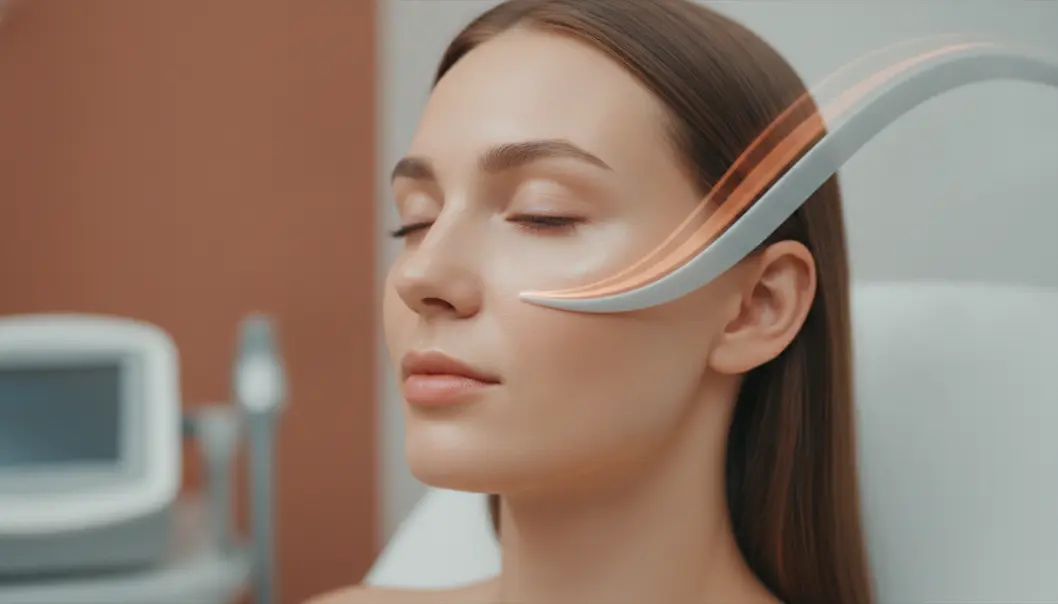
Pico toning is an advanced laser skin treatment that uses “picosecond” technology. To put it simply, a picosecond is one-trillionth of a second! Traditional laser treatments (like Nano lasers) fire in billionths of a second. Because the Pico laser is incredibly fast, it delivers laser energy to the skin much quicker, shattering pigment particles into tiny, dust-like fragments without causing excessive heat damage to the surrounding tissue.
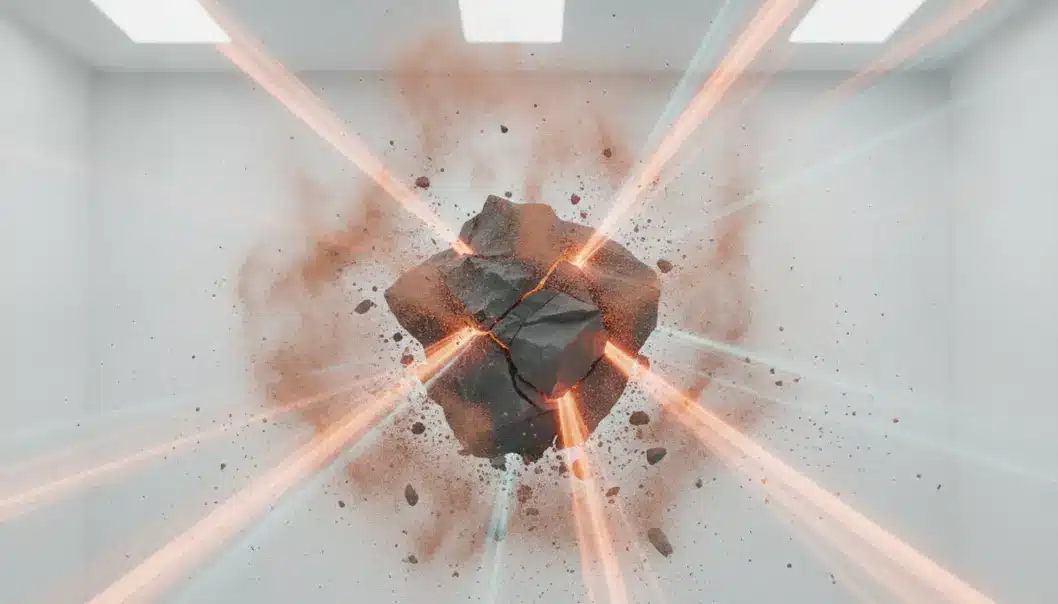
Think of your pigmentation as a large rock. Traditional lasers break it into pebbles, but a Pico laser crushes it into fine sand, making it much easier for your body’s immune system to naturally clear it away!
Major Benefits of Pico Laser 🌟
Because of its ultra-short pulse duration, Pico toning offers several key advantages over older technologies. The most significant benefit is reduced thermal damage. Less heat means a much lower risk of side effects like post-inflammatory hyperpigmentation (PIH), which is especially important for those of us with sensitive or darker skin tones.
- Faster Results: You often need fewer sessions compared to traditional lasers.
- Minimal Downtime: You might experience mild redness, but you can usually return to your daily life immediately.
- Versatility: It treats everything from freckles and melasma to acne scars and even removes tattoos!
Pico vs. Traditional Lasers 📊
Let’s break down the differences clearly. If you are debating which laser to choose, understanding these key differences will help you make an informed decision.
| Feature | Pico Toning | Traditional (Nano) Toning |
|---|---|---|
| Pulse Speed | Picoseconds (Trillionths) | Nanoseconds (Billionths) |
| Pain Level | Mild (like tiny rubber band snaps) | Moderate |
| Downtime | Very little to none | A few days of redness/peeling |
| Pigment Breakdown | Fine dust | Pebbles/Rocks |
While Pico toning is extremely safe, your skin will be more sensitive to UV rays post-treatment. Applying a broad-spectrum sunscreen daily is absolutely mandatory to prevent new pigmentation!
Estimated Sessions Calculator 🧮
Wondering how many sessions you might need? Try our quick estimation tool based on average dermatology guidelines!
🔢 Treatment Estimator
Real-Life Case & What to Expect 👩💼
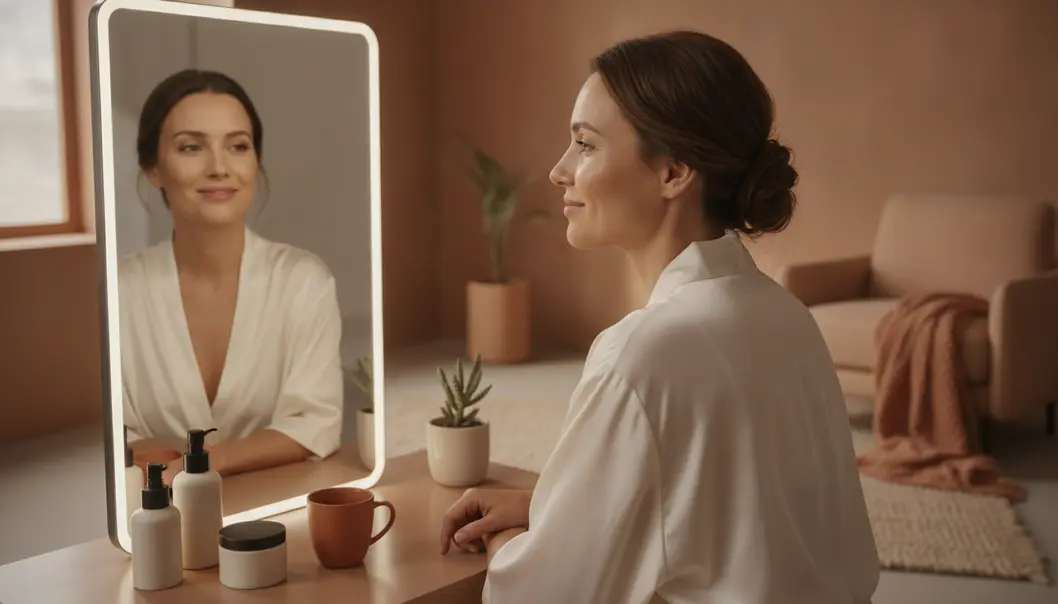
To give you a better idea, let’s look at a common scenario. One of the biggest challenges in dermatology is treating deep-rooted pigmentation without causing a flare-up.
📝 Example: Sarah’s Melasma Journey
- The Issue: Sarah, 35, developed stubborn melasma patches on her cheeks after pregnancy.
- Previous Attempts: Strong chemical peels caused irritation and actually darkened the spots.
The Pico Solution
1) Low-energy Pico toning was performed once every two weeks to gently shatter the pigment.
2) Over 8 sessions, the melasma faded by 70% without any redness or PIH.
This shows that consistency and the right technology matter more than aggressive, one-time treatments.
📝 Summary
Pico Toning Essentials
FAQ ❓
Thank you for reading this guide on Pico toning! If you’re tired of hiding your skin under layers of concealer, this might just be the breakthrough you’ve been looking for. Do you have any other questions about lasers or skincare? Feel free to leave a comment below! 😊
Disclaimer: This article is for informational purposes only and does not substitute professional medical advice. Always consult with a board-certified dermatologist to evaluate what treatment is best for your unique skin condition.