

Have you ever noticed changes in the color of your intimate areas and felt a bit self-conscious? Honestly, it’s something so many of us experience, but rarely talk about! 😊 Whether it’s due to aging, hormonal shifts, or simply friction from our favorite tight clothes, darkening of the vulvar area is completely normal.
Recently, more and more women are exploring aesthetic gynecology to regain their confidence, and one of the most talked-about procedures is the vulvar whitening laser. Let’s dive into how it works, why pigmentation happens, and whether this treatment might be right for you.
Why Does the Vulvar Area Darken? 🤔
Before we talk about lasers, let’s understand why hyperpigmentation occurs. It’s important to know that vulvar darkening is entirely natural. Melanocytes (the cells that produce pigment) are naturally more concentrated in our intimate areas.
- Hormonal Changes: Surges in estrogen during puberty, pregnancy, or taking birth control can increase melanin production.
- Friction: Tight underwear, exercise, or chafing can cause micro-trauma, leading to post-inflammatory hyperpigmentation.
- Aging & Genetics: Just like the skin on our face, our intimate skin changes over time based on our genetic makeup.
Don’t stress over social media standards! Intimate areas come in all beautiful shades. Aesthetic treatments should always be a personal choice for your own comfort and confidence.
What is a Vulvar Whitening Laser? ✨
So, what exactly is this treatment? A vulvar whitening laser (often utilizing specialized CO2 or Erbium fractional lasers) gently targets the excess melanin in the skin. The laser energy breaks down the dark pigment into microscopic particles, which your body’s immune system naturally clears away over time.
Beyond just lightening the skin, these lasers stimulate collagen production, which can improve skin elasticity and texture. I think it’s fascinating how technology can offer such dual benefits! It’s not just about aesthetics; it’s about feeling rejuvenated.
The Procedure: What to Expect 👩⚕️
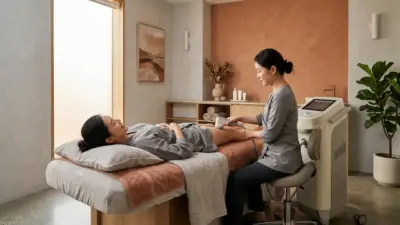
If you’re considering booking an appointment, you might be feeling a mix of excitement and anxiety. Don’t worry, the process is generally straightforward and relatively quick!
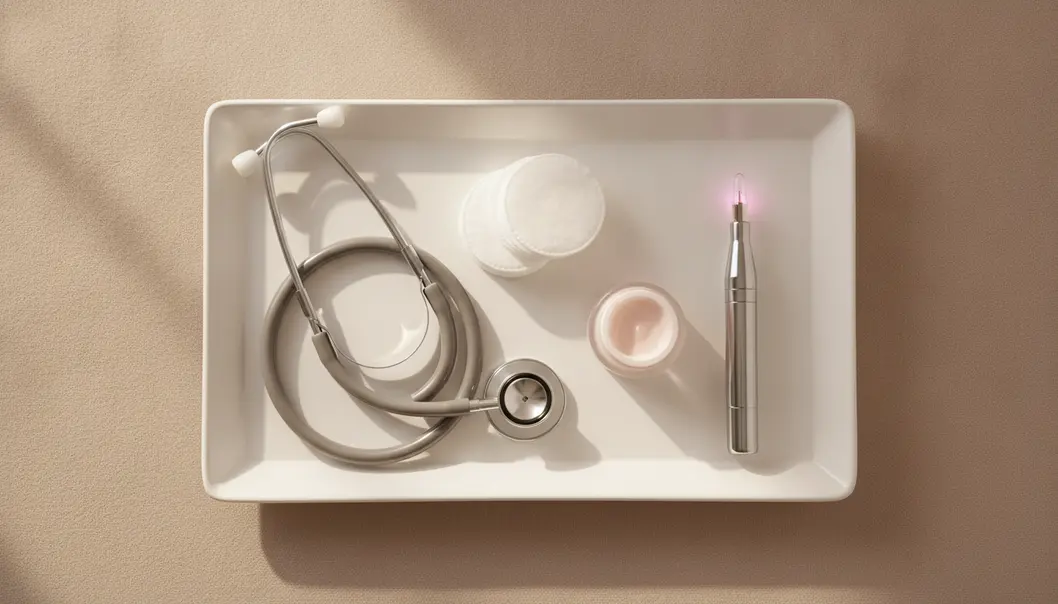
- Consultation: A certified dermatologist or gynecologist will assess your skin type and rule out any underlying medical conditions.
- Preparation: A topical numbing cream is applied to the area for about 20-30 minutes to ensure your comfort.
- Laser Application: The doctor will glide the laser device over the targeted areas. You might feel a warm, prickling sensation, but the numbing cream keeps it manageable.
- Aftercare: Soothing gels or creams are applied, and you’ll be given specific instructions for at-home care.
Never use DIY bleaching kits or harsh chemical creams bought online for intimate areas. The skin here is incredibly delicate, and improper products can cause severe chemical burns and worsening hyperpigmentation!
Comparing Your Options 📊
How does the laser compare to other methods? Let’s take a quick look at the data to help you understand why lasers are often preferred.
| Method | Effectiveness | Safety for Intimate Areas |
|---|---|---|
| Laser Treatment | High (Targets deep pigment) | Very Safe (When done by a pro) |
| Chemical Peels | Moderate | Requires extreme caution |
| OTC Creams | Low to Moderate | High risk of irritation |
🔢 Treatment Session Estimator
Wondering how many sessions you might need? Select your current pigmentation level to get a general estimate.
📝 Example: The Healing Timeline
Days 1-2: Mild redness and a feeling similar to a slight sunburn. Keep the area clean and moisturized.
Days 3-5: The skin may start to lightly peel or flake. Do not pick at the skin! Let it naturally shed.
Weeks 2-4: The skin fully heals, and you will begin to notice a brighter, more even tone. Subsequent sessions build upon this result.

Vulvar Laser Summary
📝 Summary
To sum it all up, deciding to undergo a vulvar whitening laser treatment is a highly personal choice, but armed with the right information, you can make the best decision for your body.
- Darkening is normal: Hormones, genetics, and friction naturally cause hyperpigmentation.
- Lasers are effective: They specifically target melanin without harming surrounding tissues.
- Safety first: The intimate area is delicate; trust only experienced specialists.
- Patience is key: Your body needs time to flush out the broken-down pigment between sessions.
FAQ ❓
I hope this guide provided you with clarity and peace of mind regarding intimate laser treatments! Remember, your body is uniquely yours, and any choice you make should empower you. If you have any more questions about the procedure, feel free to ask your dermatologist or leave a comment down below! 😊
Disclaimer: This article is for informational purposes only and does not substitute professional medical advice. Always consult with a healthcare provider before undergoing any cosmetic procedures.